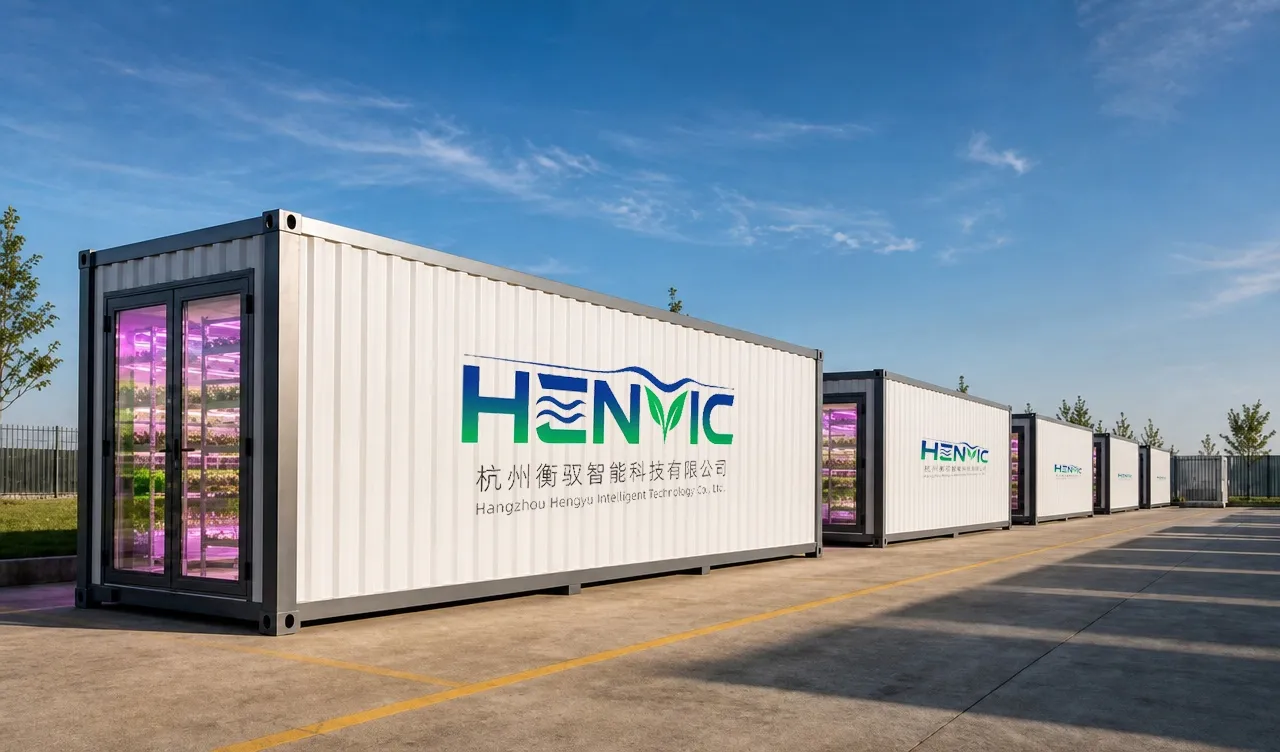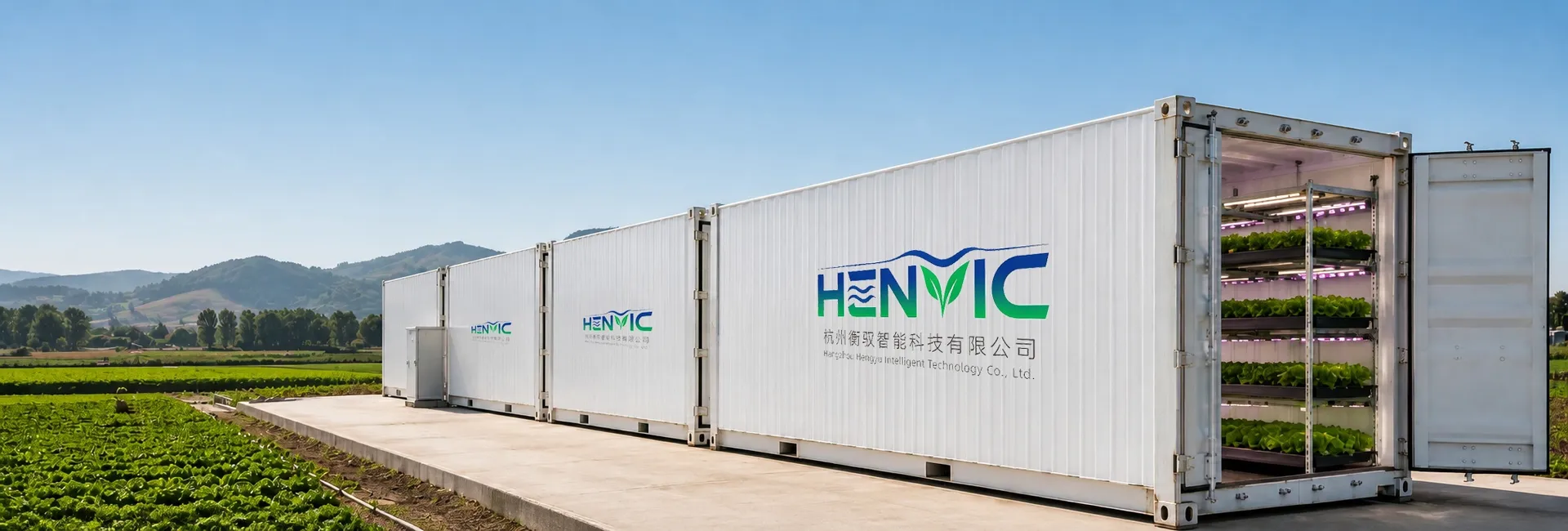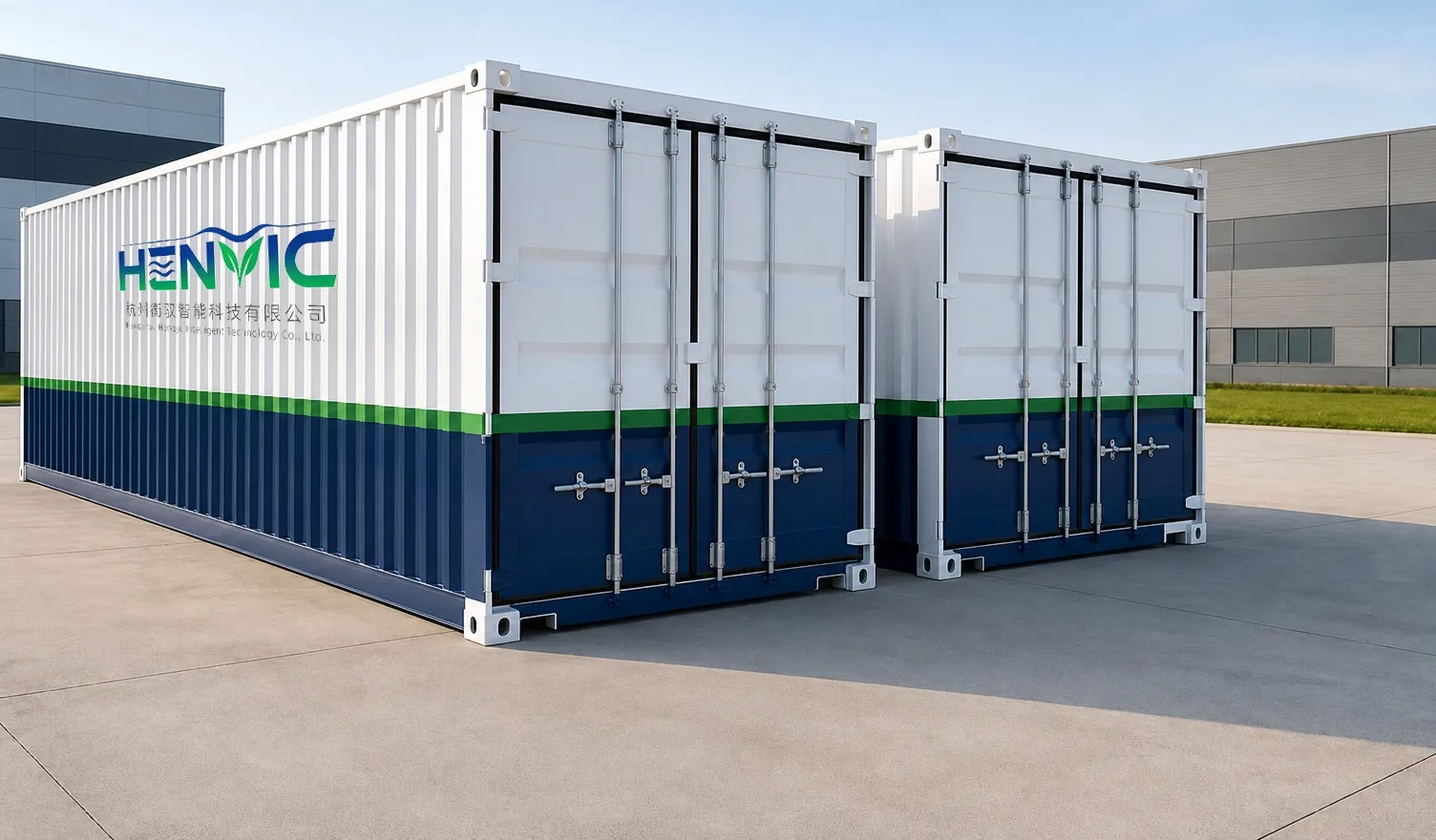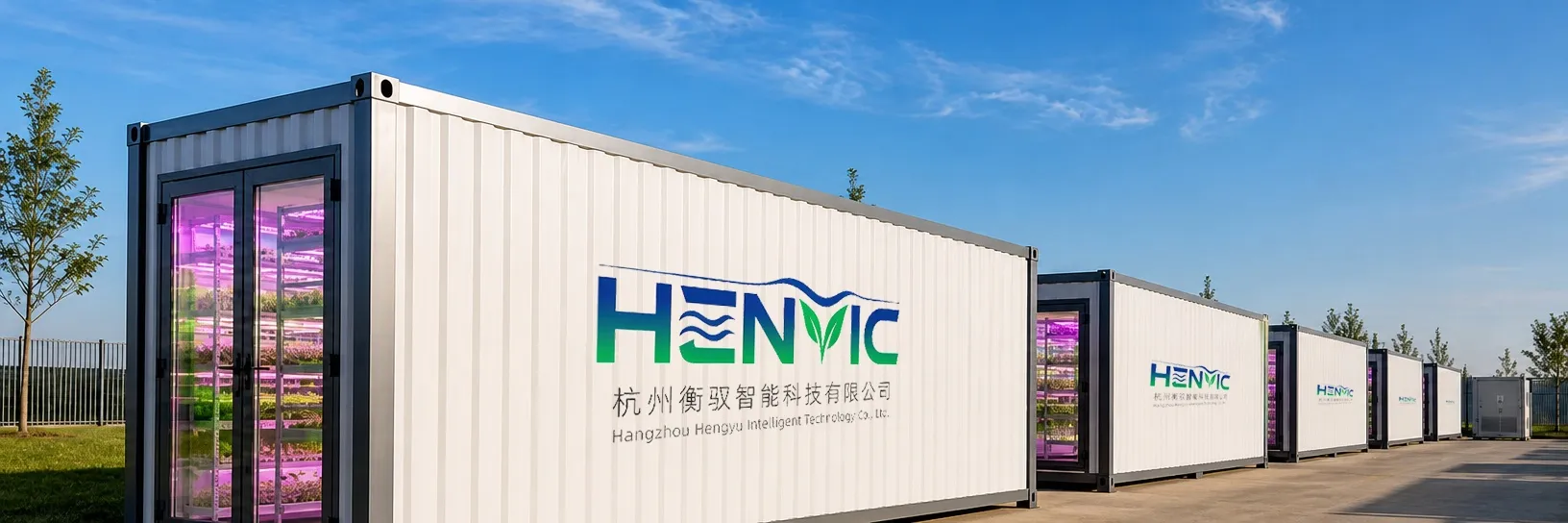
40 ft Mushroom Container Deer Horn Mushroom Programme
PRODUCT OVERVIEW
The value of a mushroom container is not the shell but turning fruiting into repeatable parameters. Across each 30-day batches Deer Horn Mushroom passes through pinning, fruiting and harvest, each with its own temperature, humidity and air-exchange set points.
Cooling and humidification run as separate loops, so temperature and humidity do not fight each other - the usual cause of 'cooler but drier' rooms.
A rare species with a high process threshold, single flush per bag, suited to premium dining and gift channels.
Schools use the unit as a microbiology and botany lab: students follow Deer Horn Mushroom across 30 days from spawn run to fruiting, recording climate against yield.
CROP AND OUTPUT DATA
Species | Deer Horn Mushroom (Rare) |
Cultivation | Bag cultivation |
Flushes | 1 flush |
Growing cycle | 30 days |
Yield | 0.5 kg per bag |
Load per cycle | 3,200 bags |
Monthly output | 1,600 kg |
Annual output | 19,200 kg |
Cycles per year | 12 |
Figures follow the 40 ft mushroom container baseline: 3,200 bags per cycle, or 83 m² of compost bed for button mushroom. Output is an estimate and varies with substrate quality, fruiting climate and harvest practice.
KEY ADVANTAGES
· Loading and harvest zones are separated to keep people and product flows apart.
· Softened humidification water reduces mineral spotting and water damage on caps.
· Independent cooling and humidification loops hold humidity without over-cooling, so caps stay firm.
· Bag supply and process training are included, so production starts on a batch basis.
· Each unit runs independently, so parallel containers do not interfere.
· Batch climate records make yield variation traceable to its cause.
· Species can be combined to order; commodity and specialty crops share the same shell.
· 1,600 kg a month and 19,200 kg a year let supply be planned backwards from contracts.
CONTAINER CONFIGURATION
Footprint | 12.0 x 2.45 x 3.0 m (40 ft container) |
Growing system | Bag cultivation |
Load per cycle | 3,200 bags |
Temperature | 12 - 24 °C, set per species |
Relative humidity | 85 - 95% during fruiting |
CO2 and fresh air | Capped per species; filtered air under slight positive pressure |
Lighting | Staged lighting for cap form and colour |
Humidification water | Softened to limit mineral spotting on caps |
Control and monitoring | PLC, touchscreen HMI, remote monitoring and alarms |
Delivery | Pre-commissioned at the factory, set and connected on site |
CLIMATE AND CONTROL
Humidification water is softened to limit mineral deposits on caps; floor drainage collects at one point, and cleaning uses fogging rather than heavy washing.
The refrigeration loop handles cooling and dehumidification while the humidification loop adds moisture independently. That split keeps high humidity without relying on low temperature, so caps neither dry nor sweat.
CULTIVATION AND SCHEDULING
Incoming bags are checked for colour, smell and mycelium uniformity; suspect bags are isolated before they can infect a batch.
The standard schedule assumes 3,200 bags per unit and 30-day batches, giving 12 cycles a year. With several units, stagger loading weekly so harvest, packing and cleaning do not collide.
DELIVERY, TRAINING AND SERVICE
The unit relocates as a standard container, so a lease or site change does not write off the equipment.
Changing species or batch rhythm comes with recipe support, including resetting pinning temperature and air-exchange rates.
FREQUENTLY ASKED QUESTIONS
How is CO2 controlled during fruiting?
CO2 is capped per species and managed with fresh and recirculated air. High CO2 stretches stems and shrinks caps; low CO2 makes humidity hard to hold.
How is contamination prevented?
Three layers: filtered air under positive pressure, incoming bag inspection, and between-batch sanitation. Suspect bags are isolated before entering the fruiting room.
How long is one Deer Horn Mushroom cycle?
Deer Horn Mushroom cycles in 30 days, with 12 cycles a year. Bag-grown species give one to three flushes per bag, so a multi-flush bag is not replaced at every pick; bed-grown species are replaced by crop round.
Can the container be relocated?
Yes. The ISO design with consolidated services allows dismantling, transport and recommissioning in one to two weeks.