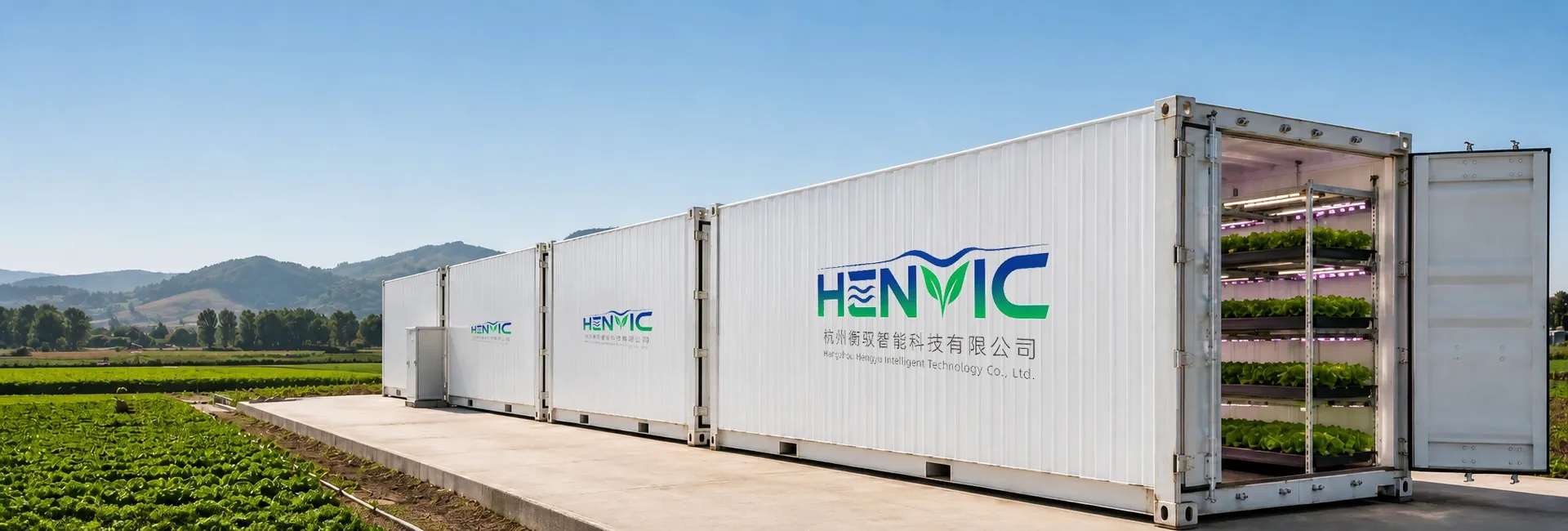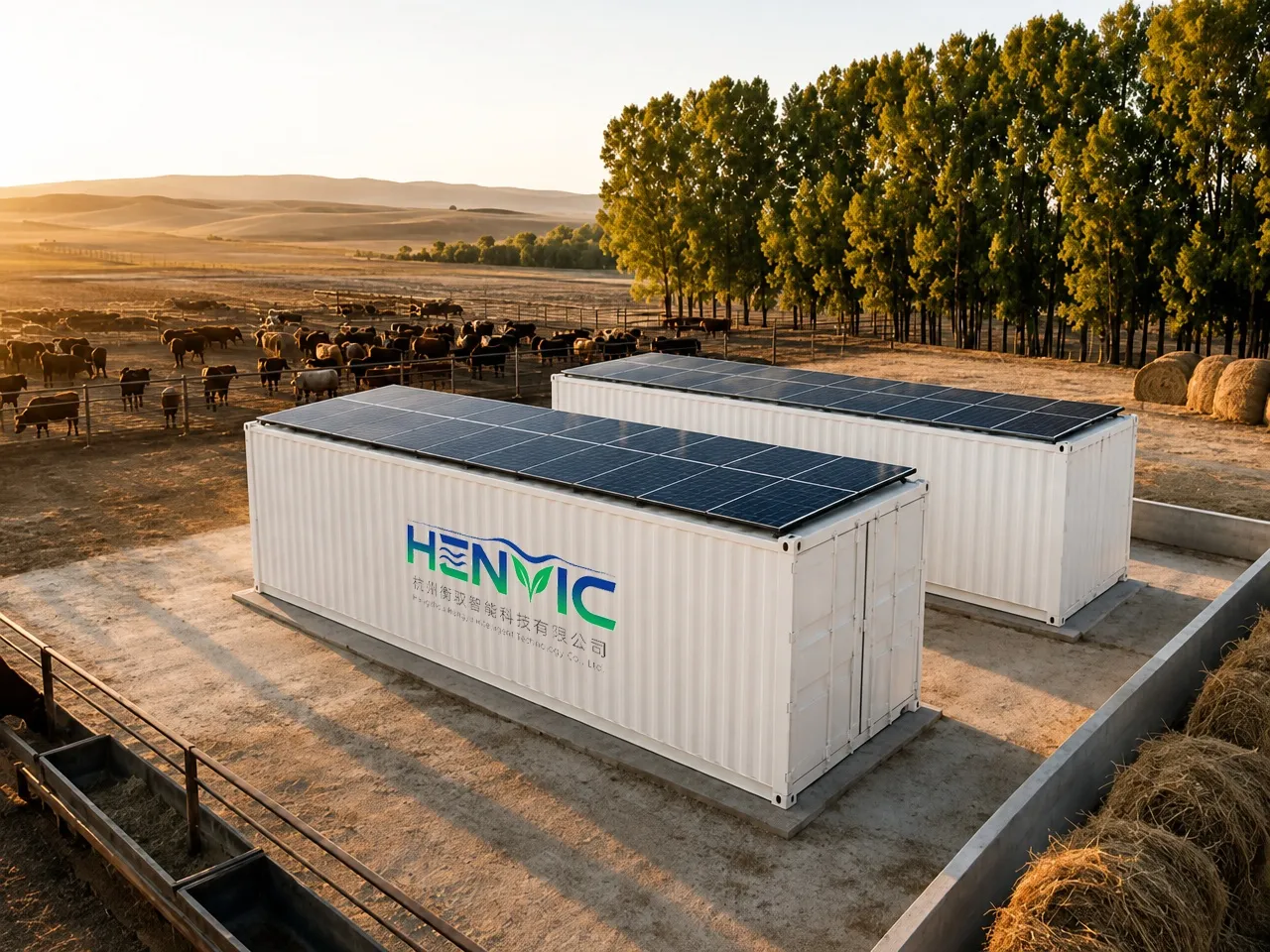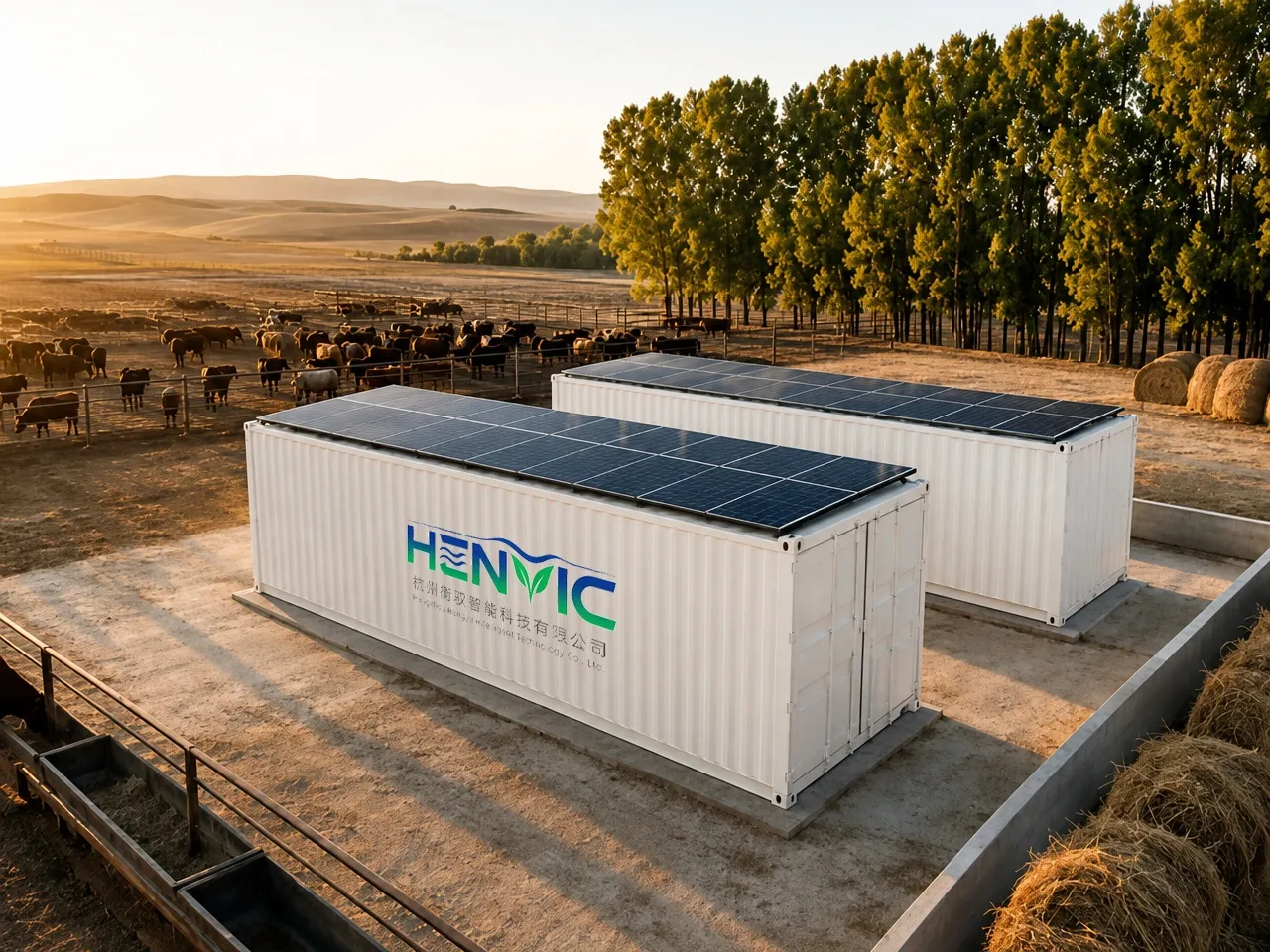
Container agriculture is the practice of converting standard shipping containers into controlled-environment growing systems. Where traditional agriculture depends on soil, sunlight, and favorable climate, container farming replaces all three with engineered systems: hydroponic or substrate growing, artificial lighting, and tightly regulated temperature, humidity, and carbon dioxide. The result is a production unit that is modular, movable, and largely independent of geography.
The concept's appeal rests on a simple insight. A shipping container is one of the most standardized, durable, and logistically mature objects in the global economy. Its dimensions are fixed, its shell is weatherproof and stackable, and it can be transported anywhere by truck, rail, or ship. Repurposing it as a growing chamber means inheriting that entire infrastructure at almost no adaptation cost. A forty-foot high-cube container offers roughly thirty cubic meters of interior volume—enough, with high-density vertical growing, to produce meaningful quantities of leafy greens, herbs, and microgreens.
Why Enclosure Matters
The defining feature of container agriculture is enclosure. By sealing the growing space, growers gain total control over the environment. Temperature, humidity, photoperiod, light spectrum, nutrient concentration, and CO₂ levels all become variables to be set rather than conditions to be endured. This control delivers three advantages that open-field agriculture struggles to match.
First, production becomes predictable. Because weather is eliminated as a variable, yields are consistent year-round, and planning becomes a matter of scheduling rather than forecasting. Second, production becomes local. A container can be placed beside a restaurant, in a supermarket car park, on a rooftop, or inside a warehouse, collapsing the distance between grower and consumer. Third, resource efficiency improves dramatically. Closed-loop water systems recirculate nutrient solution with minimal losses, and vertical stacking multiplies the productive area within a fixed footprint.
The Core Systems
A functional container farm integrates several subsystems. The environmental control system monitors and adjusts temperature, humidity, and air exchange, typically using air conditioning, ventilation, dehumidification, and sometimes humidification. Because the container's metal shell conducts heat, insulation and thermal management are critical, and energy consumption is the single largest operating cost.
The lighting system replaces sunlight with LED arrays tuned to plant photosynthesis. By adjusting spectrum, intensity, and photoperiod, growers can optimize growth for specific crops. Lighting is the second major energy load and a focus of continuous efficiency improvement.
The growing system provides water and nutrients. Most container farms use hydroponics—nutrient film technique, deep water culture, or ebb-and-flow—or inert substrate such as rockwool or coco coir. Nutrient solution is circulated, filtered, and monitored for pH and electrical conductivity, with dosing systems maintaining target concentrations.
Automation and control tie the systems together. Sensors feed data to a controller, which adjusts equipment to hold setpoints, while irrigation, dosing, and lighting run on schedules or feedback loops. A cloud platform typically allows remote monitoring and management of multiple containers.
Applications
Container agriculture finds its clearest fit in three arenas. Urban production serves fresh, perishable, high-value crops—salad greens, herbs, microgreens, strawberries—close to consumers, reducing spoilage and transport. Extreme and remote environments—deserts, islands, polar stations, disaster zones—benefit from a production system that needs no arable land and little external input beyond power. Research and education use containers as compact, controllable platforms for breeding trials, light-recipe studies, and teaching.
Honest Constraints
The technology has real limitations. Energy intensity is high, particularly for lighting and cooling, which affects both cost and carbon footprint. Capital cost per unit of production is significant, and the small footprint of a single container limits scale. Crop range is restricted largely to fast-growing, compact, high-value species; staples like wheat, rice, and maize are not economically viable in this format. And the systems demand technical skill to operate and maintain.
A Complementary Tool
Container agriculture is not a replacement for conventional farming. It is a specialized tool that addresses specific problems: land scarcity, climate volatility, supply-chain length, and the need for reliable production in hostile environments. Its value grows as climate pressure and urbanization intensify, and as energy, lighting, and automation technologies improve. The container is, in essence, a platform—an engineered environment in which the constraints of nature are replaced by the discipline of control.