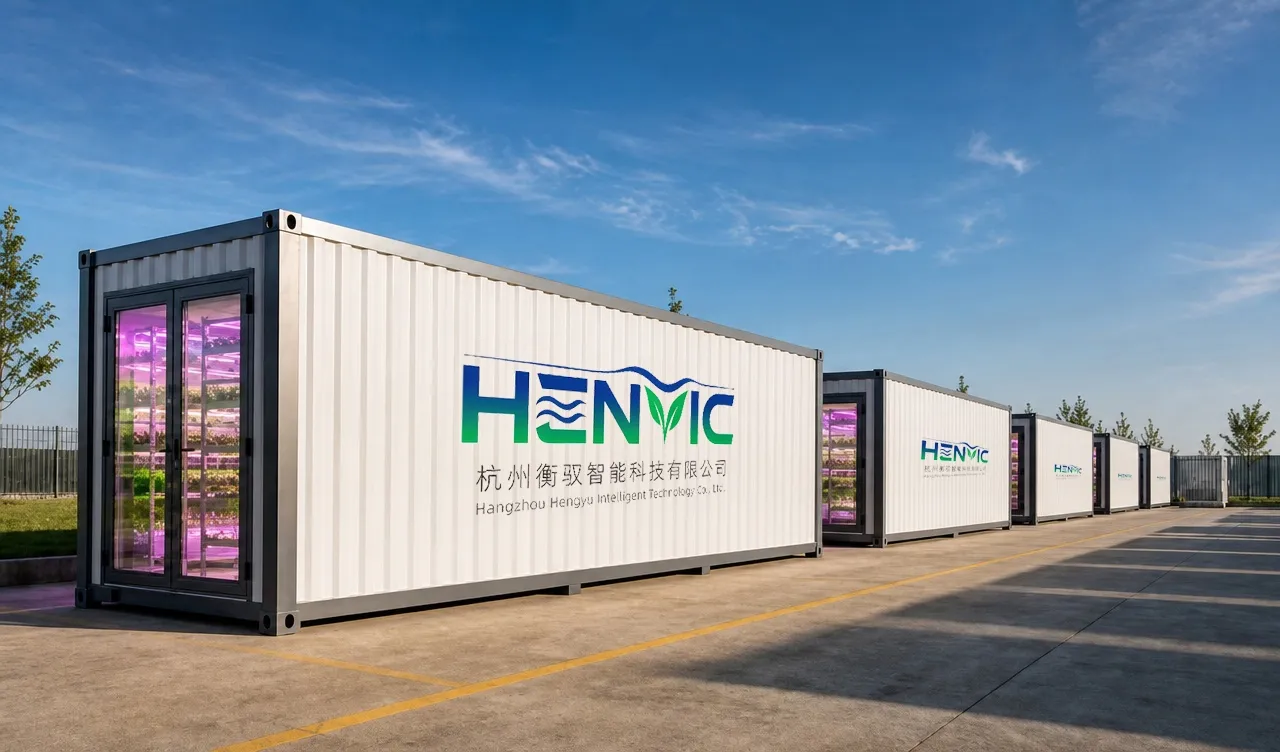
Container agriculture is technically impressive, but technology does not pay the bills. The decisive question for any prospective operator is economic: can a sealed box of engineered environment produce crops at a cost that the market will reward? The answer depends on a web of interacting factors—capital, energy, labor, output, and, above all, product choice.
The Cost Structure
The costs of container farming fall into familiar categories. Capital expenditure covers the container conversion, lighting, HVAC, fertigation, controls, and installation. Operating expenditure covers electricity, water and nutrients, labor, maintenance, and depreciation, with electricity typically the largest single line.
Electricity dominates because container farms light and cool their crops continuously. In many locations, the combined load of lighting, air conditioning, dehumidification, and pumping is substantial per square meter of growing area, and the cost translates directly into the cost of every leaf produced. This is why container farms are most competitive where electricity is cheap, where renewable power is available, or where the product commands a premium high enough to absorb the energy cost.
Labor is the second major operating cost. Even with automation, tasks such as seeding, transplanting, harvesting, and packing require hands, and the enclosed, high-touch nature of the work means labor productivity matters. Maintenance and part replacement add further cost, as does the depreciation of capital equipment over its life.
The Revenue Side
On the revenue side, the container farm's advantages are locality, freshness, and quality. Because production can be sited close to consumers, crops reach market quickly, with minimal spoilage and transport cost. Freshness and consistency can command premium prices in restaurants, premium retail, and direct-to-consumer channels, where customers value quality and provenance.
Yield per unit area is high, thanks to vertical stacking and intensive cultivation, so revenue per square meter of footprint can be substantial. But yields must be set against costs, and the crop mix is decisive: fast-growing, high-value, compact crops generate revenue far faster than slower, lower-value ones.
The Decisive Variable: Product Choice
Product selection can make or break a container farm. The ideal crop is fast-growing, compact, high-value, and perishable—so that the freshness advantage is monetizable and the production cycle is short. Leafy greens, herbs, microgreens, and specialty salad crops fit this profile, which is why they dominate container production. Strawberries and certain specialty vegetables also work in some markets.
Conversely, staple grains, tubers, and bulk vegetables are poor fits. Their value per kilogram is low, their growth cycles long, and their handling and storage simple, so the container's cost structure cannot compete with field agriculture. Attempting to grow them in a container is a fast route to economic failure.
Business Models
Several business models have emerged. Some operators sell directly to consumers, capturing retail margins and building brand around freshness and locality. Others supply restaurants and premium grocers, where quality and reliability command higher prices. Some lease container systems to third parties, converting capital into recurring revenue. Still others pursue research, education, or institutional supply, where the value is not purely commercial.
Each model changes the economics. Direct sales yield higher margins but require marketing, packing, and logistics capabilities. Wholesale channels offer simpler operations but lower prices. Lease models shift risk but cap upside. The right model depends on the operator's capabilities and the local market.
Scale and Siting
Scale is a persistent challenge. A single container produces a limited volume of crops, and while multiple containers can be combined, each carries its own capital and operating cost. True economies of scale are limited compared with large greenhouses or field operations. Siting, however, can offset this: placing containers near dense demand and minimizing transport and spoilage can improve net returns substantially.
Sensitivity and Risk
Container farming is sensitive to several risks. Electricity price volatility directly affects the largest cost. Equipment failure, especially in climate and irrigation systems, can damage a crop quickly. Product price competition from conventional and greenhouse growers constrains the premium that can be charged. And the technology is capital-intensive, so financing costs weigh on returns.
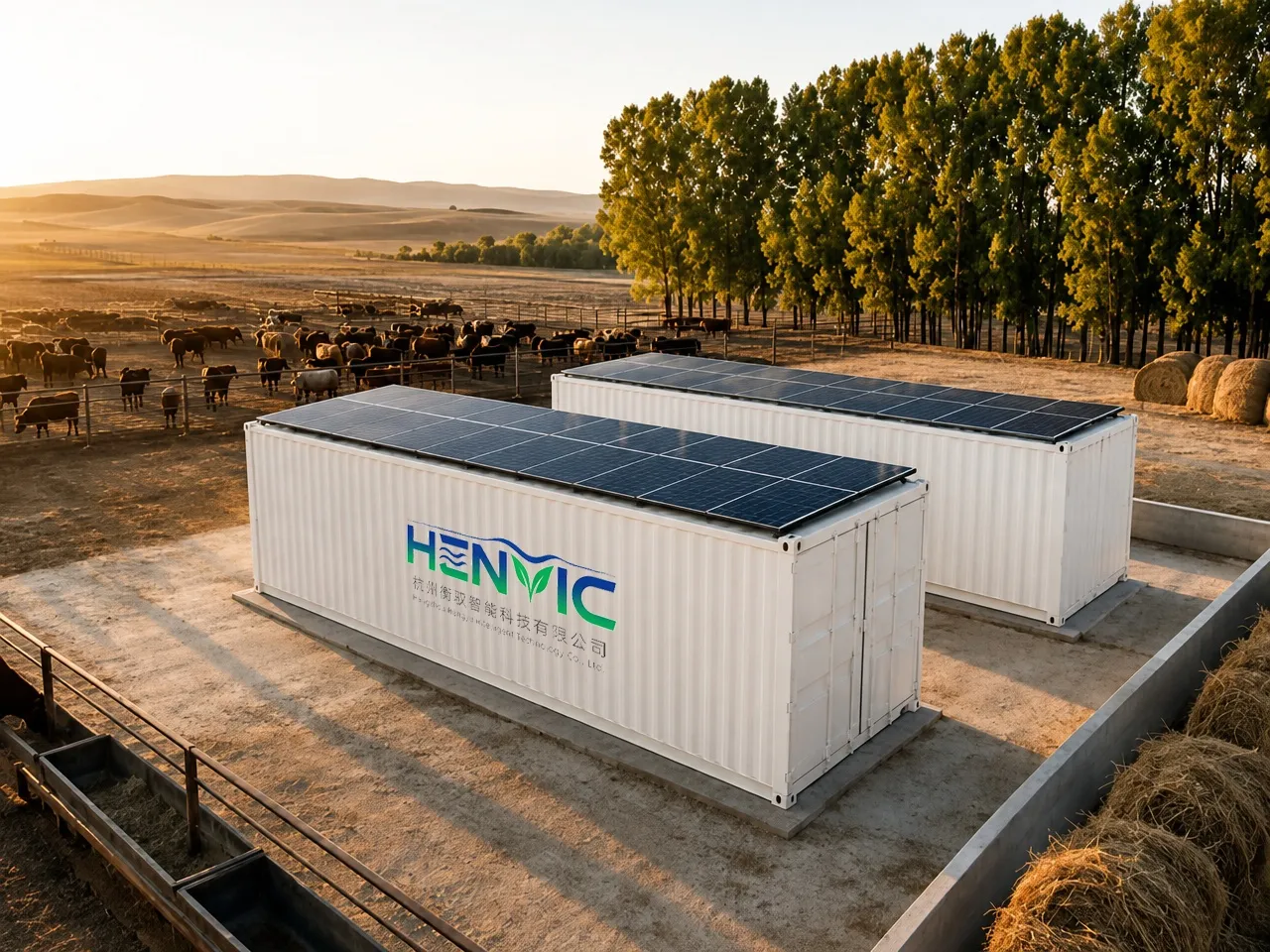
Successful operators manage these risks through diversified markets, robust maintenance, energy efficiency investments, and careful product selection. Some hedge energy exposure with solar or power purchase agreements; others build direct customer relationships to secure premium prices.
Making the Case
The economic case for container agriculture is not universal. It is strongest in situations with high-value perishable crops, expensive or distant conventional supply, premium local markets, and manageable energy costs. It is weakest where land and labor are cheap, energy is costly, and products are commodity staples.
The disciplined approach is to model a specific operation with realistic assumptions—local energy prices, achievable yields, market prices, and labor rates—rather than relying on generalized enthusiasm. Container agriculture can be profitable, but profitability is earned through precise cost control, smart product selection, and market positioning, not guaranteed by the technology itself. The box does not make money; the business operating inside it does.