A shipping container spends most of its life either crossing an ocean or waiting in a yard for its next booking. Turned into a growing environment, it does something its designers never intended: it puts a farm where no farmland exists. The shift matters less for the technology involved than for the geography it unlocks — production can now follow the market into the city rather than waiting for the city to reach the field.
The Container as a Farm Unit
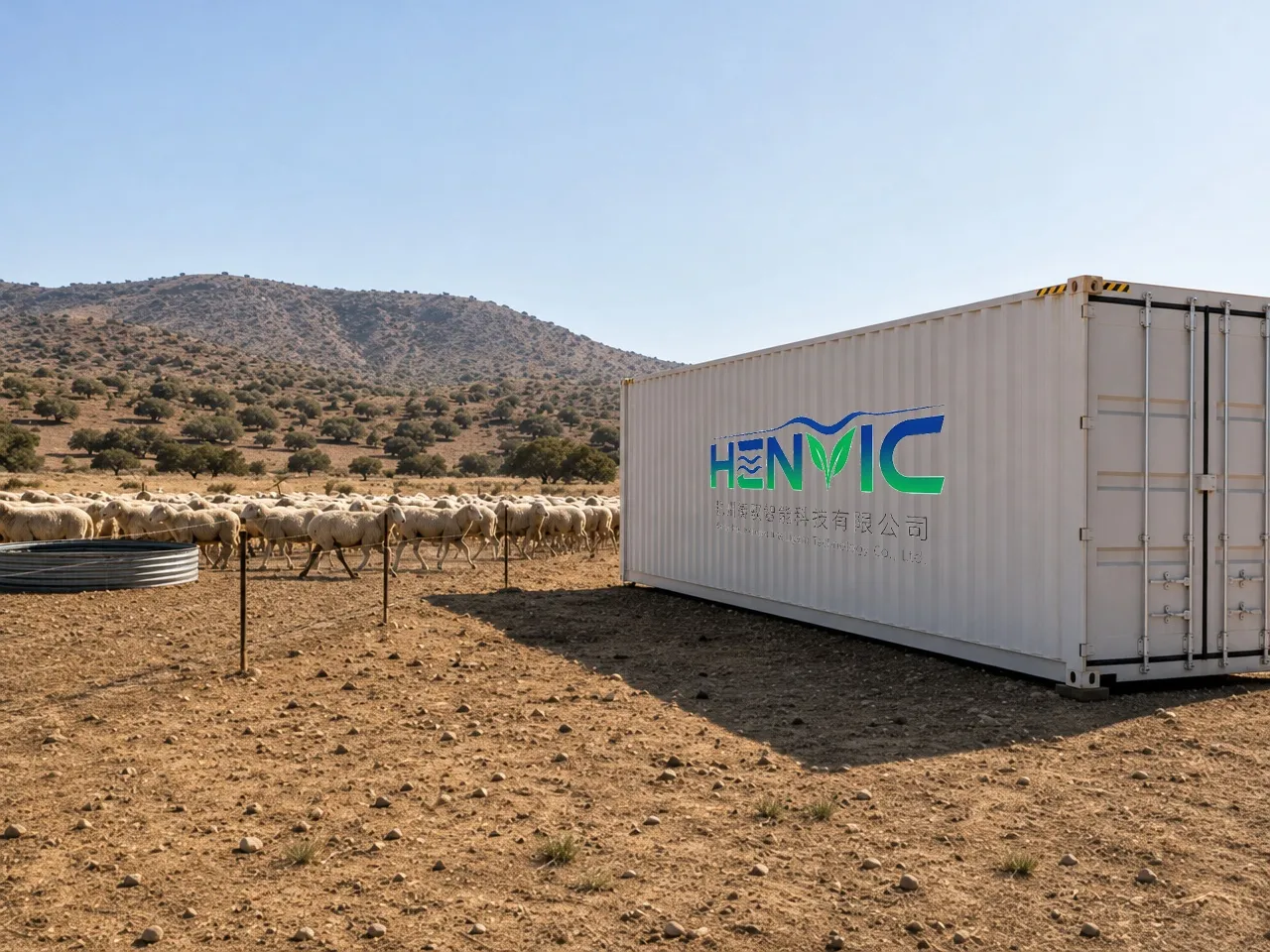
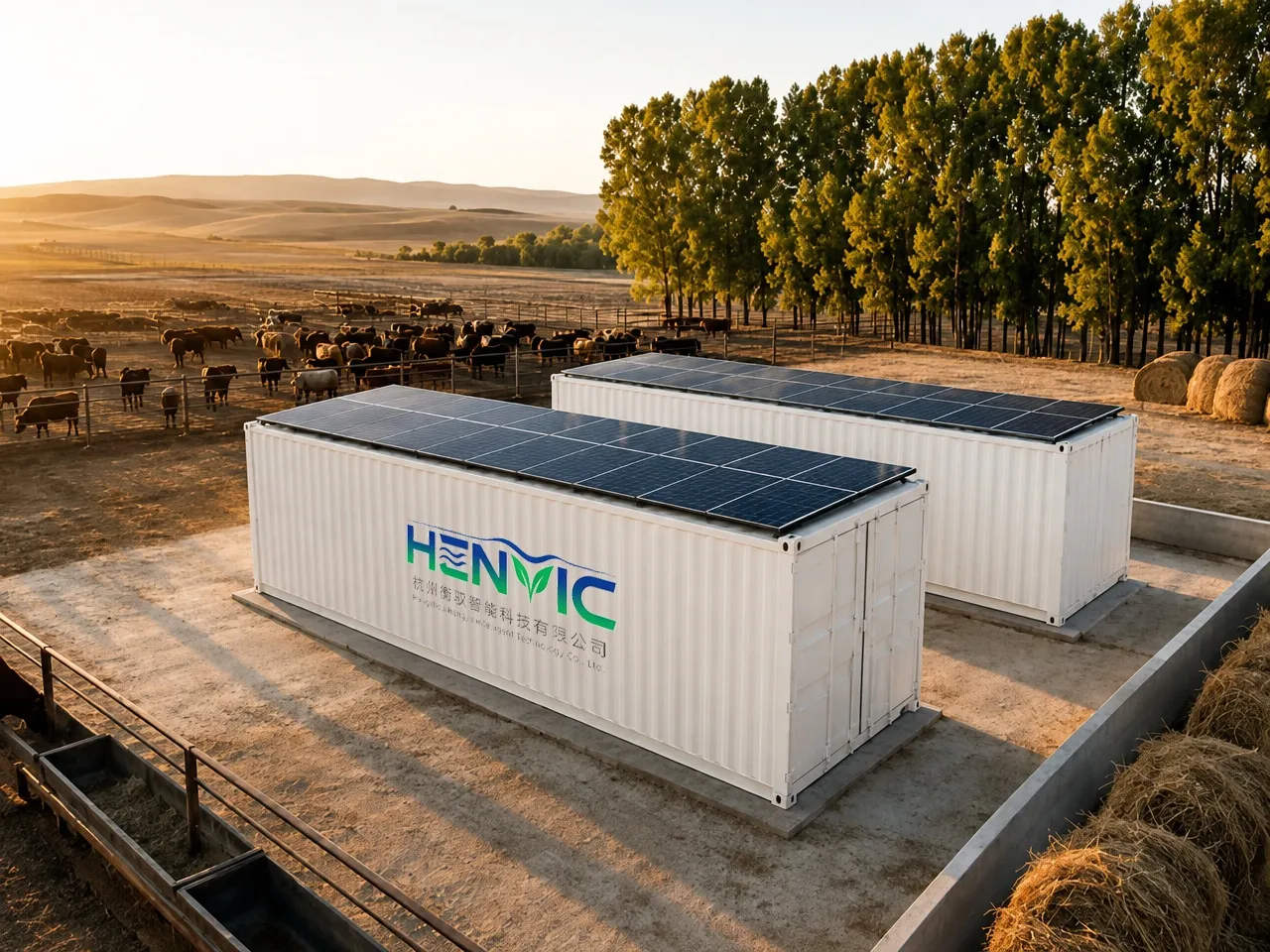
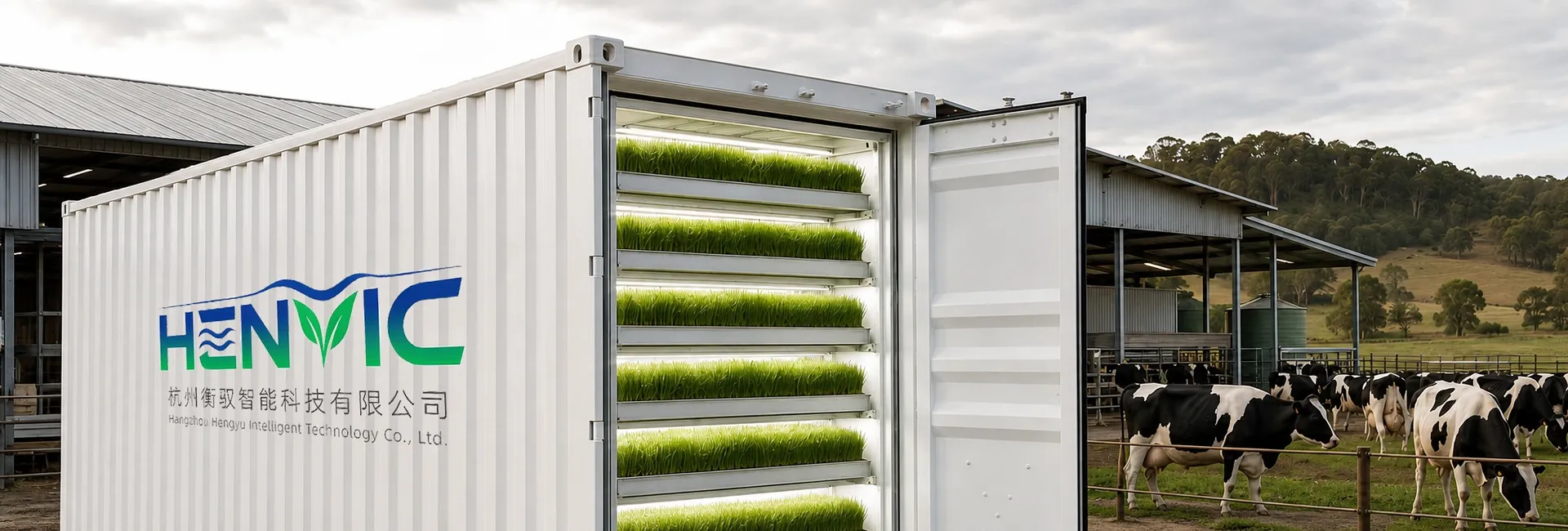
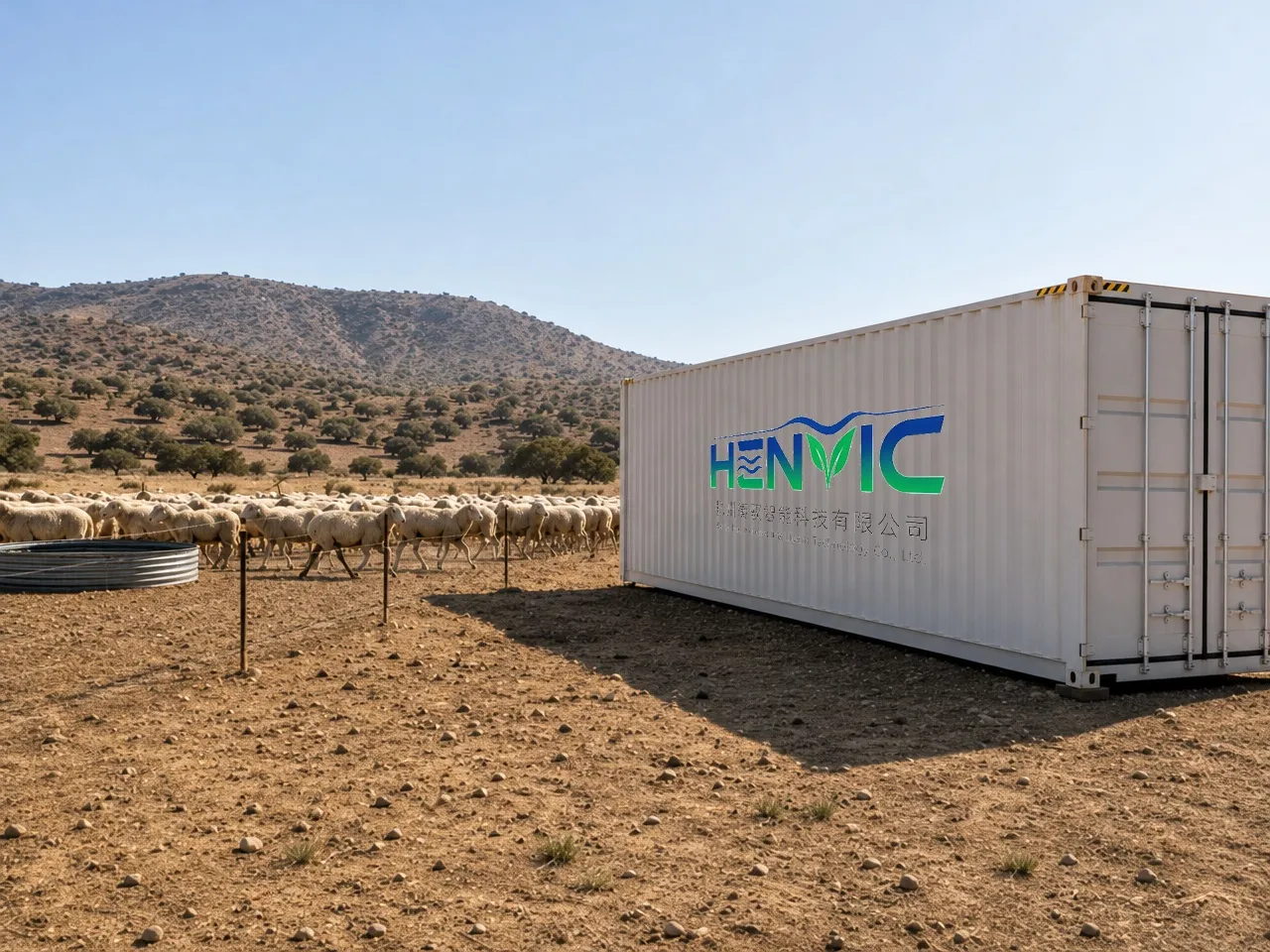
The starting point is a standard 40-foot box: roughly 30 square metres of floor area, a rigid steel shell, dimensions identical anywhere in the world, and a used-box market deep enough to supply them cheaply. It is already built to survive weather, to stack, and to be moved by ordinary logistics equipment. What it needs added is insulation, sealing, grow lighting, climate control, and a soilless growing system — all mature, off-the-shelf components.
The consequence is that a farm stops being a piece of land and becomes a unit of equipment. It can be ordered, delivered, wired up, and producing within weeks. That single change in framing is what allows agriculture to relocate.
Three Ties to Land, Cut
Conventional farming is bound by soil, space, and season. Container farming addresses each in turn.
Soil disappears as a requirement because hydroponic and aeroponic systems replace it with a recirculating nutrient solution. Ground quality, contamination, and depletion stop being variables. Space is compressed through vertical racking, so three to five crop layers occupy the footprint that would otherwise hold one, and containers can themselves be stacked. Season is removed by the sealed envelope: temperature, humidity, light, and carbon dioxide are held at setpoints regardless of what happens outside.
Rooftops, parking lots, disused loading docks, and the rear of a distribution centre all become viable sites. Land with no agricultural value acquires some.
Why Proximity Is the Real Argument
The strongest case for putting farms inside cities has nothing to do with growing and everything to do with distance. Leafy greens, herbs, and microgreens are highly perishable, and the value lost in transit — measured in shelf-life days and spoilage rates — frequently exceeds the cost of producing them at all.
A container farm adjacent to a restaurant, grocery chain, or distribution hub reduces that distance to metres or kilometres. Harvest is scheduled against orders rather than against a shipping calendar. Produce arrives with days more usable life, waste falls, and the supply chain becomes short enough to inspect. For buyers, that reliability is often worth more than the greens themselves.
There is a resilience dimension as well. Dispersed container units distribute production across a city's own footprint, so supply is not hostage to a single long route, one growing region, or one harvest window. This is not food security at national scale, but it is production that cannot be interrupted by a border closure or a fuel price shock in the way a remote farm can.
What the Model Demands
Honest treatment of the model requires naming its costs. Electricity is the binding constraint: lighting, cooling, dehumidification, and pumping run continuously, which makes energy the dominant operating expense and pushes the cost structure closer to a factory than a field. Water, nutrients, growing media, and spare parts all require a dependable input chain. The workforce needs to understand both plant physiology and control systems — a profile that straddles horticulture and industrial maintenance rather than sitting in either.
Crop selection is equally decisive. Fast-turn, high-value, compact produce — leafy greens, herbs, microgreens, strawberries, specialty seedlings — can justify the energy bill. Commodity field crops cannot. The container farm competes with the cold chain and the last hundred kilometres of fresh-produce logistics, not with grain agriculture.
What Changes, and What Does Not
What changes is where production can happen. Land stops being the limiting factor. Season stops being a scheduling constraint. Distance to the consumer becomes a design input rather than an afterthought. A city can grow a meaningful share of its perishable greens within its own boundaries, and a grower can site operations where demand is rather than where soil happens to be good.
What does not change is that farming still requires capital, labour, expertise, and operational discipline. The container does not make agriculture easy — it makes it location-independent. The economics still have to close, the crops still have to sell, and the equipment still has to be maintained.
That is the accurate version of this transition. The container is not a box that turns scrap steel into free vegetables; it is a standardised, controllable, relocatable production unit. By cutting the three ties that bound farming to soil, space, and season, it lets urban agriculture move beyond demonstration projects toward something closer to an industry. From yard to field is a short physical distance. Its effect on how cities feed themselves is considerably longer.