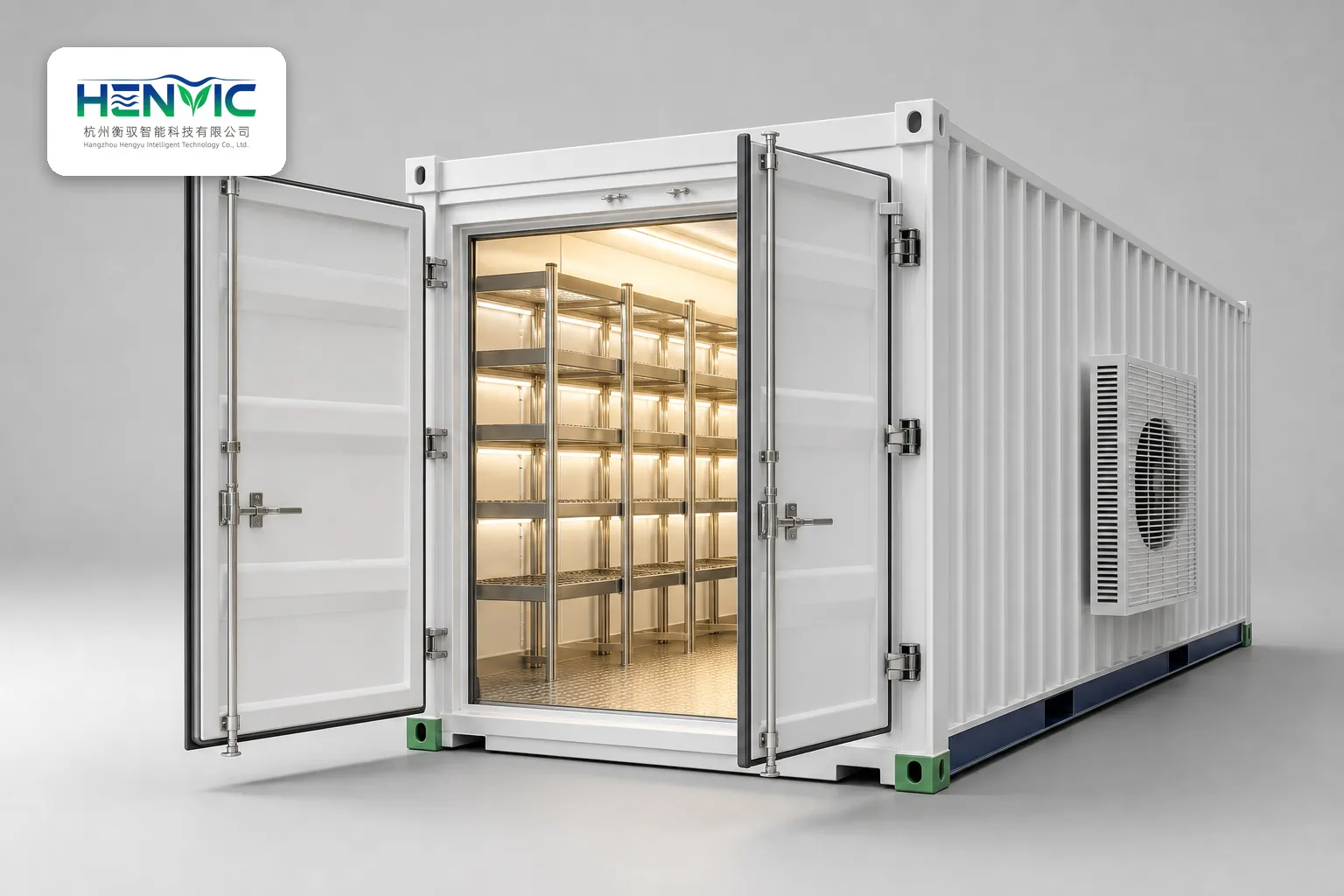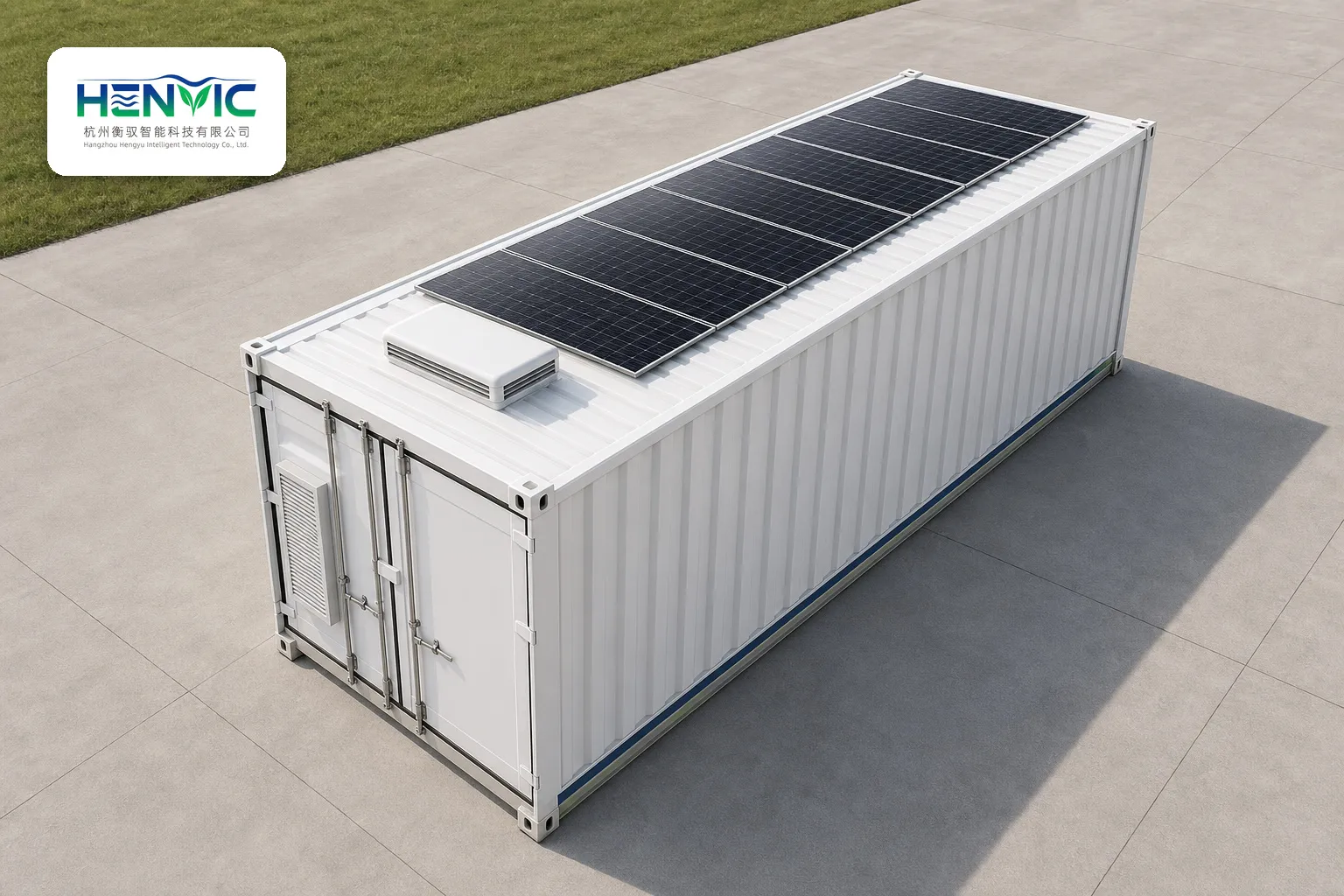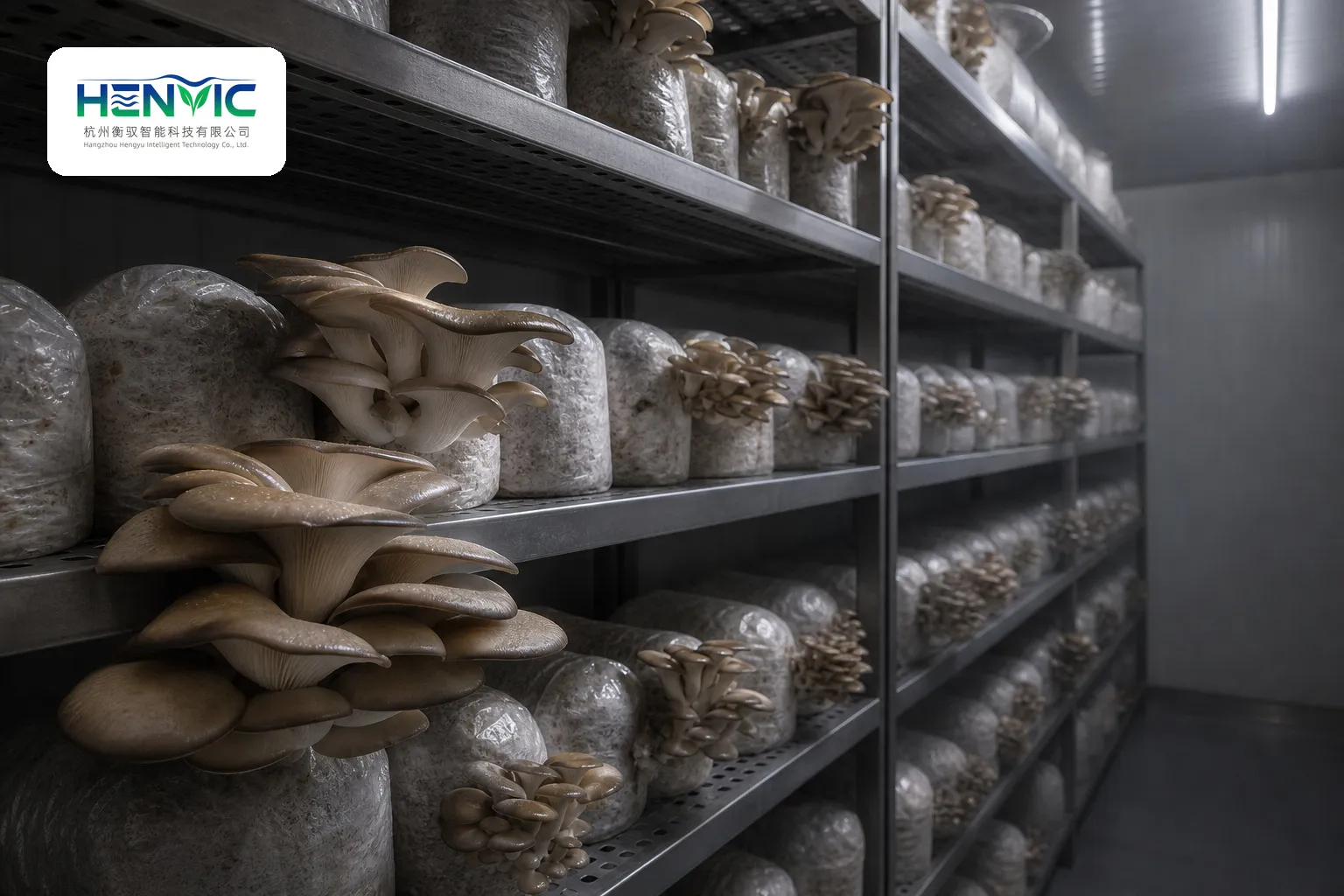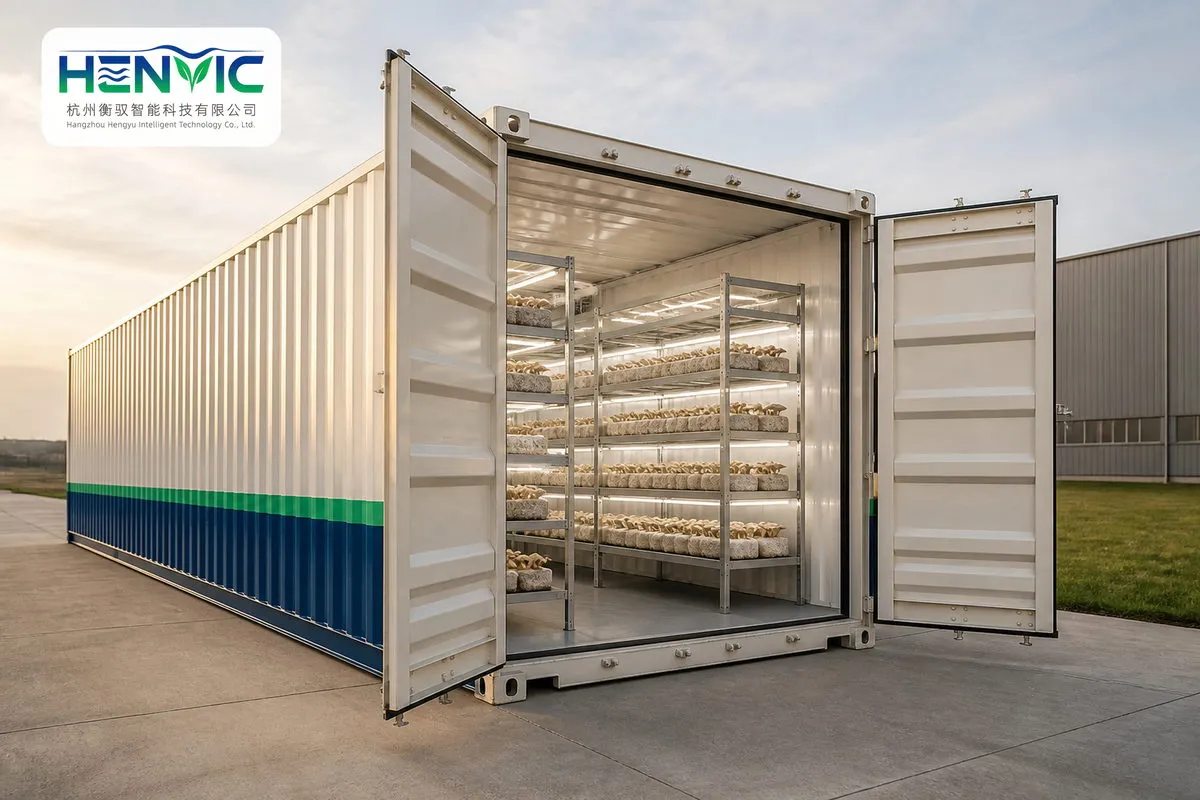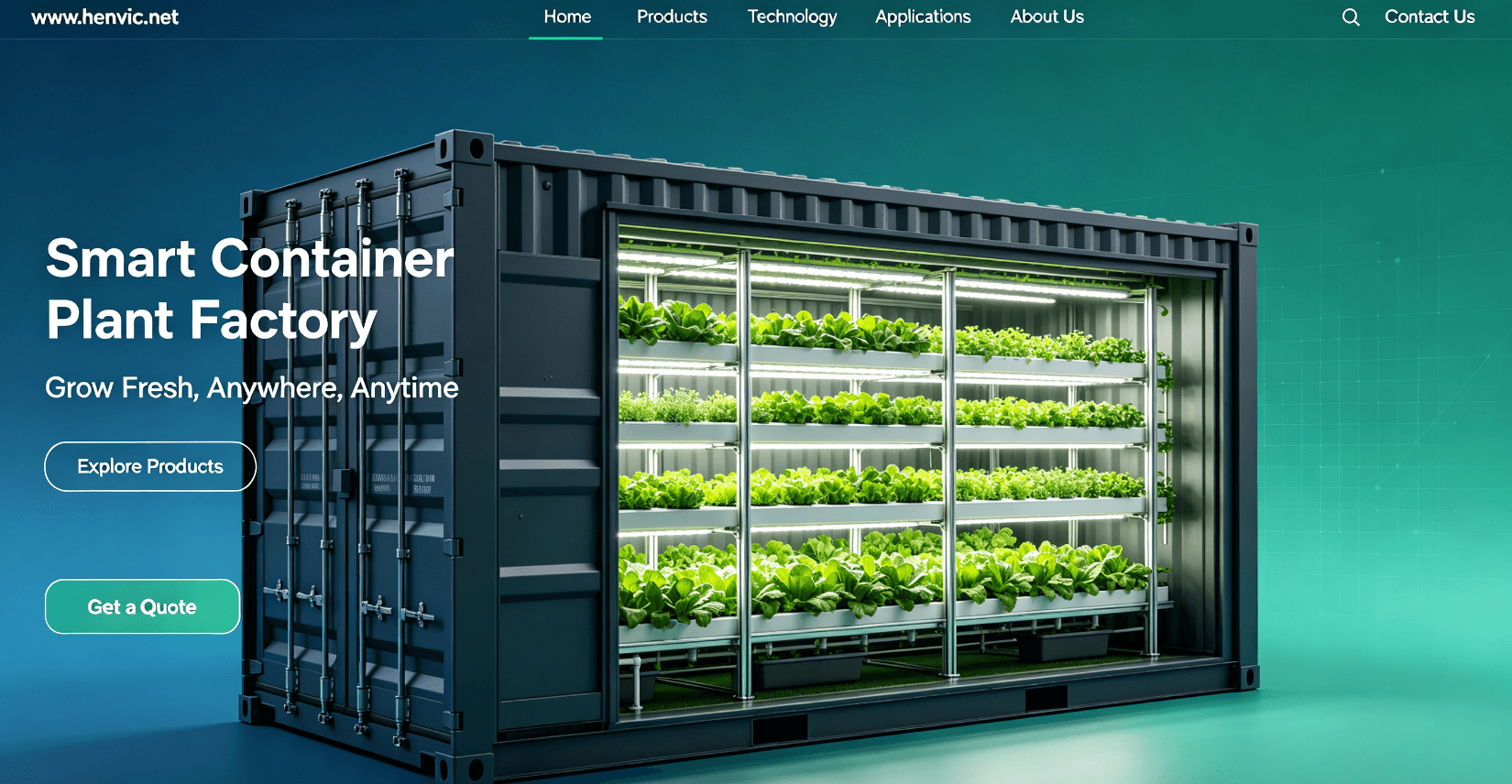
Pleurotus ostreatus, commonly known as oyster mushrooms, stands out as one of the most nutritious and widely cultivated edible fungi globally. As modern agriculture shifts toward precision, automation, and sustainable practices, containerized cultivation has revolutionized mushroom farming. By placing the growing environment inside a standard shipping container equipped with advanced environmental controls, farmers have achieved unprecedented success. The outcomes of this technology are promising, offering traditional methods issue excellent economic returns, substantial environmental improvements, and superior crop quality.
1. Exceptional Yield Stability and Predictability
The most prominent benefit of containerized oyster mushroom cultivation is the emergence of highly predictable and massive yields. In traditional open-field cultivation, mushroom yields rely heavily on unpredictable weather, seasonal temperature changes, and soil quality. In contrast, containerized systems create a fully enclosed and isolated microenvironment.
By utilizing advanced HVAC and microclimate control, temperature, humidity, and carbon dioxide levels are kept perfectly within optimal ranges. This eliminates sudden weather shifts. Consequently, environmental factors are no longer bottlenecks. This biological optimization directly translates to maximized bioconversion efficiency; the mycelium rapidly colonizes the substrate and produces consistently heavy, high-quality fruiting bodies. Farmers can harvest precisely when the mushrooms reach peak maturity, eliminating premature spoilage and dramatically boosting the overall crop yield.
2. Highly Efficient Resource and Energy Utilization
Containerized cultivation excels in resource management by maximizing utility while minimizing input waste. Conventional brick facilities often feature spacious dimensions that require enormous amounts of energy to heat or cool. In contrast, shipping containers represent an ideal footprint; they are compact, highly insulated, and require minimal space. Their modular layout allows farmers to cluster multiple containers efficiently, achieving intensive, vertical farming on a small footprint.
Furthermore, automation via IoT sensors ensures that water, electricity, and nutrients are delivered precisely when needed. The enclosed environment minimizes water evaporation and prevents nutrient loss. By actively controlling and recycling air and water within this closed circle, the operational requirements drop significantly compared to open-air Shade houses, cementing this method as an energy-efficient solution.
3. Superior Product Quality and Health Benefits
Containerized environments guarantee a pristine, pesticide-free growing space. The physical structure of a closed container inherently acts as a barrier against common pests, harmful fungal spores, and airborne contaminants. Without external interference, farmers can avoid using toxic pesticides or fungicides entirely, yielding purely organic, safe, and toxic-free oyster mushrooms highly valued by health-conscious consumers.
Additionally, precise environmental parameters promote perfect physical development. The enclosed conditions maintain optimal humidity and light exposure, producing mushrooms with pristine caps, tender textures, and remarkable shelf life. Preventing unwanted competitors allows the fungi to develop fully, maximizing both their nutritional profiles—such as high levels of protein, dietary fiber, and essential minerals—and rich flavor profiles.
4. Enhanced Economic Viability and Year-Round Production
Financially, containerized cultivation presents a highly lucrative model. While the initial investment in retrofitting a container with sensors and climate control systems may seem substantial, the long-term returns are exceptional. The reduction in labor requirements is profound; automated systems monitor crop health, reducing the reliance on manual daily inspection and labor costs.
Fully operational containers allow for continuous, high-frequency harvesting regardless of external seasons. Native environmental fluctuations become irrelevant. This consistent supply ensures stable market prices and allows growers to fulfill commercial orders continuously. Within this controlled ecosystem, biological resilience is extreme—yields rarely fail to deliver, leading to predictable cash flow and superior economic viability.
5. Environmental Sustainability
By fundamentally changing agricultural structures, containerized cultivation transforms the environmental footprint of commercial fungi. Instead of sterilizing large fields and consuming vast volumes of water for artificial cooling, closed container networks focus on micro-scale cycles. Specialized LED lighting provides targeted spectrum for photosynthesis with minimal lights serving entire clusters of containers.
Choosing agricultural byproducts as substrates, combined with the flexibility of remote locations and the sustainability of recycling external resources, aligns perfectly with sustainable development. This approach drastically reduces carbon footprints and energy consumption, steering traditional agriculture toward a low-carbon, eco-friendly ecological cycle.
Conclusion
Containerized cultivation of Pleurotus ostreatus is an outstanding success in modern agricultural engineering. By merging cutting-edge environmental control with modern farming techniques, it has overcome the inherent limitations of traditional processes. It delivers stable yields, superior product quality, economic stability, and profound ecological benefits. As technology advances, this containerized approach will undoubtedly become the gold standard for oyster mushroom farming, sustaining modern food production systems with efficient, profitable, and sustainable outcomes.