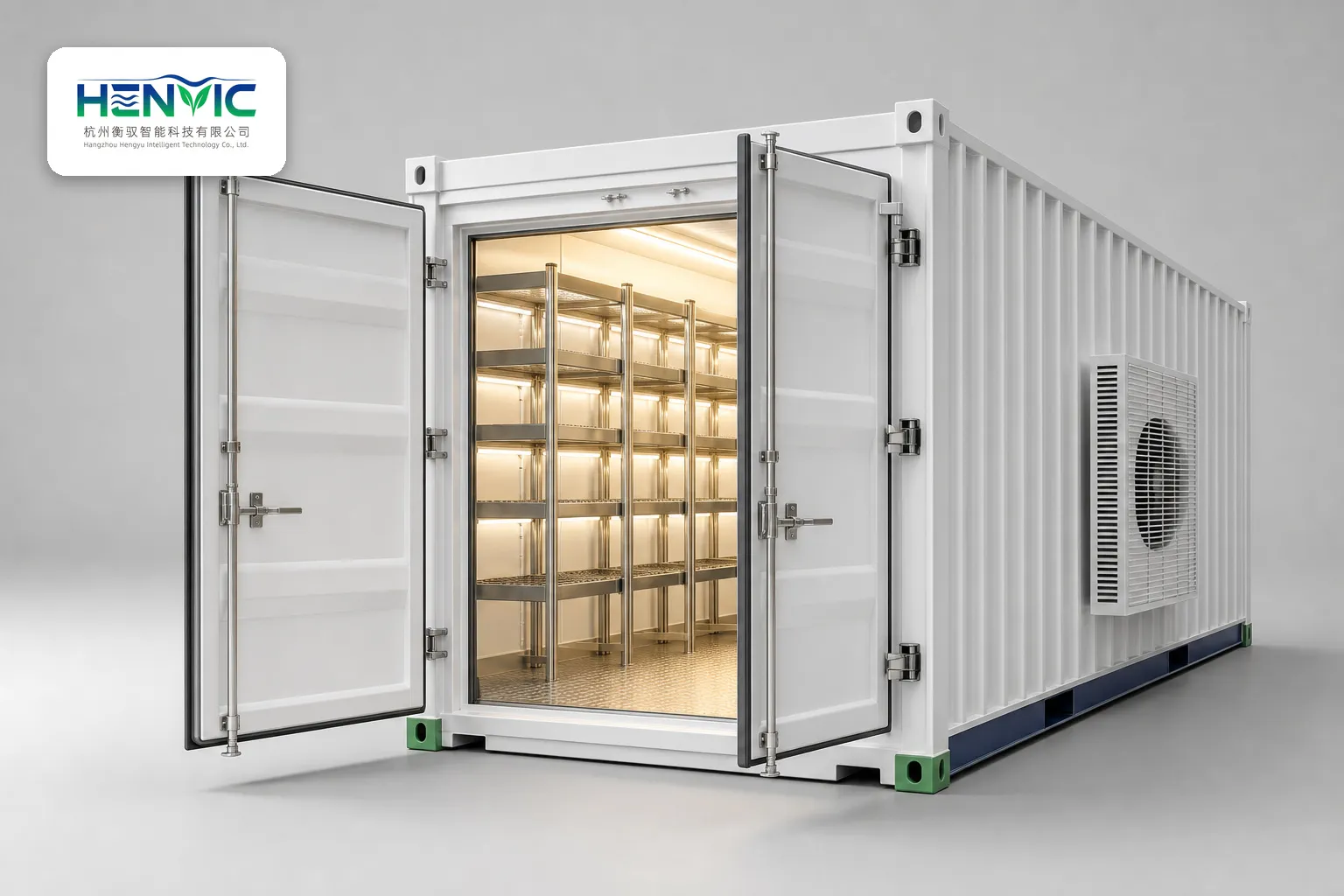
I. Overview
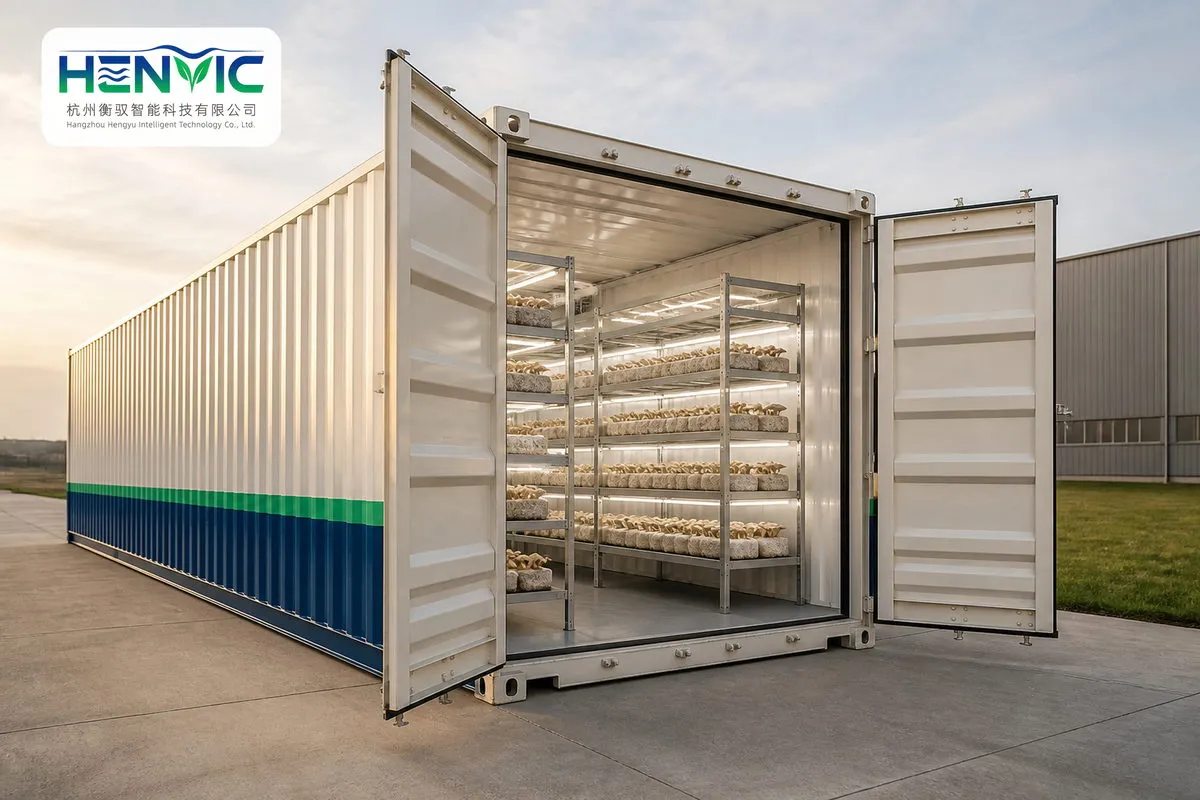
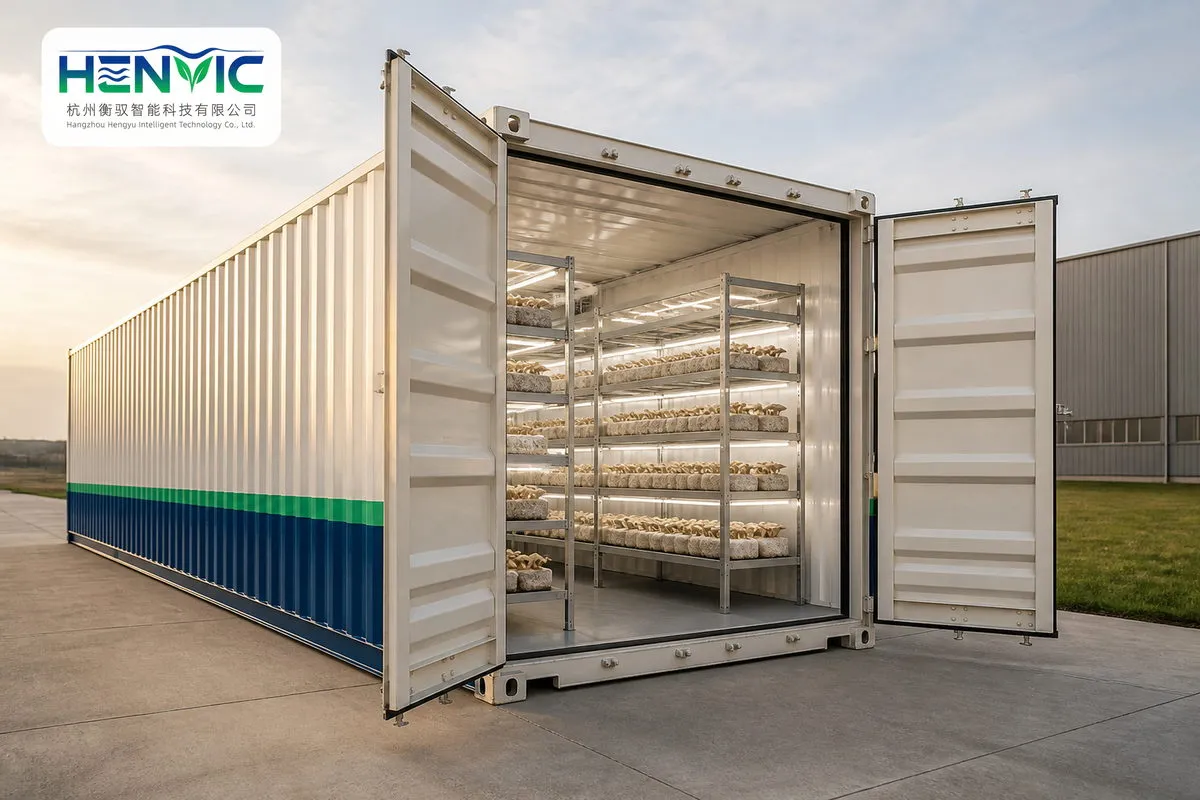
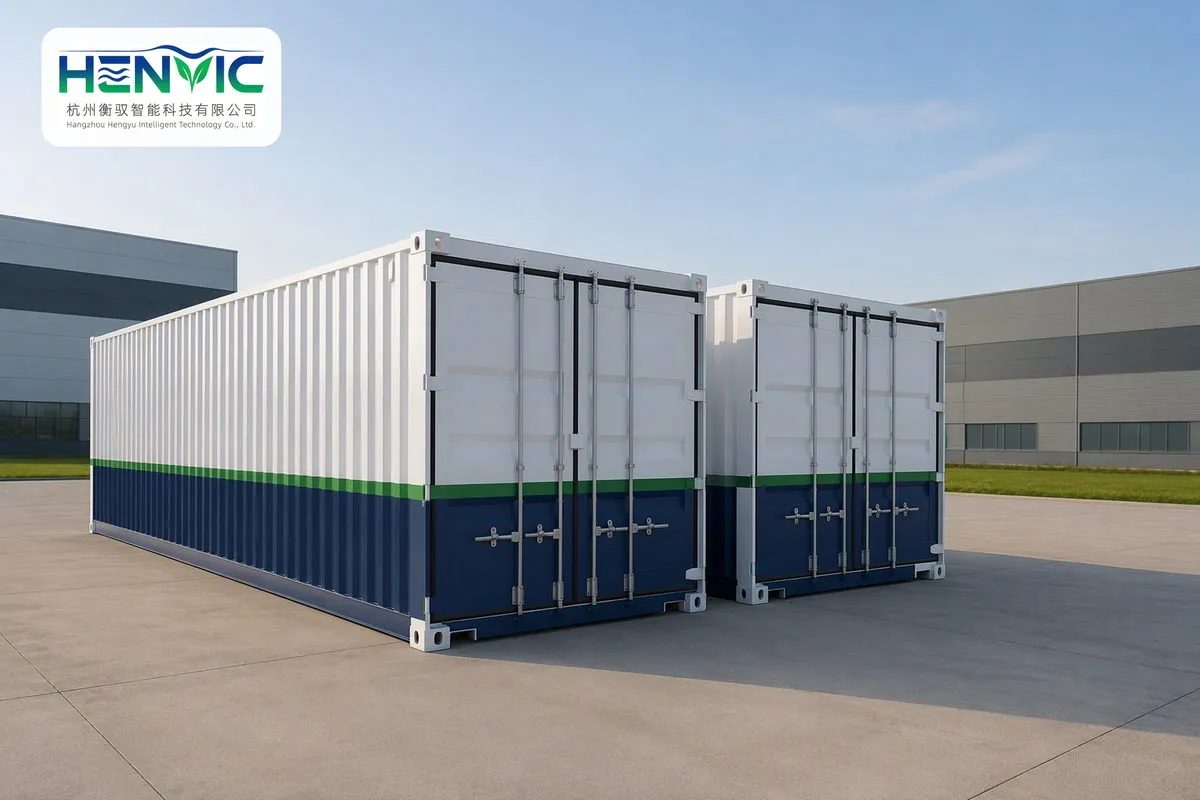
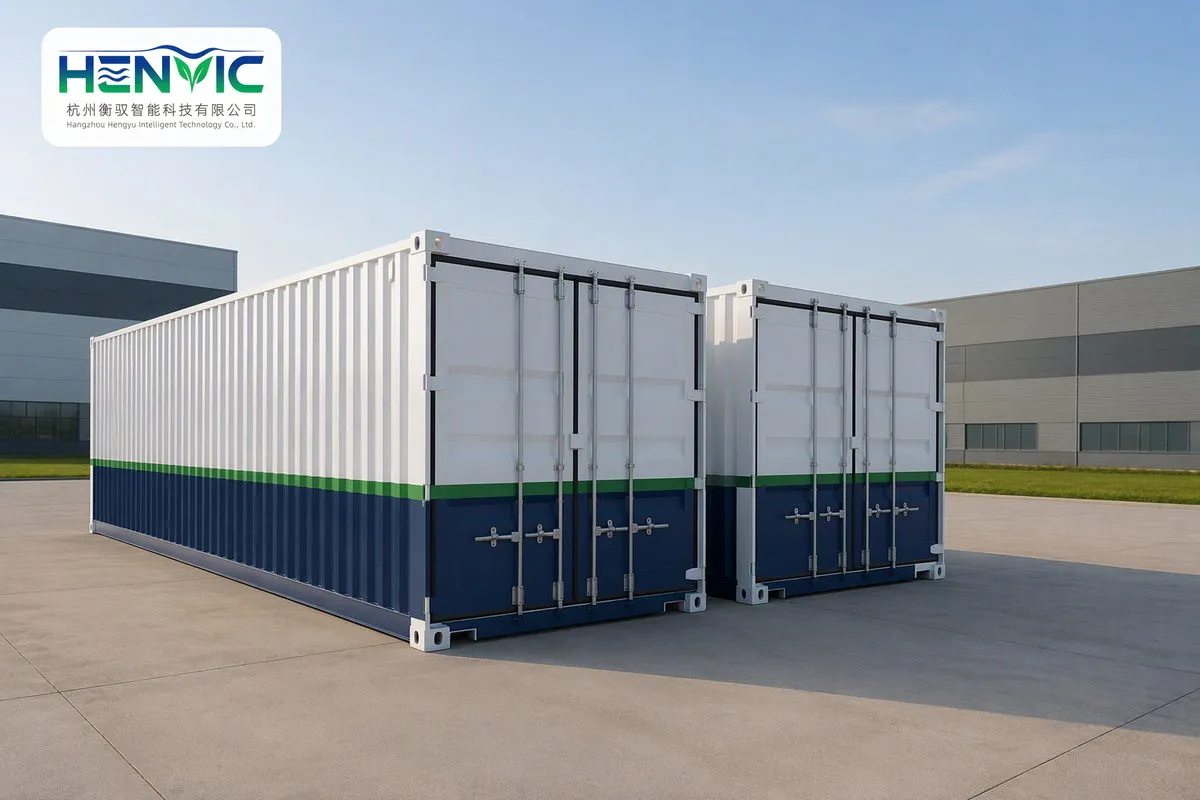
With the rise of modern agriculture and intelligent horticulture, celery cultivation pods have become a high‑tech cultivation model for producing clean and high‑yield leafy vegetables, growing rapidly in urban agriculture, closed‑loop plant factories, and specialty vegetable production. Unlike traditional open‑field farming, celery cultivation pods are fully enclosed, intelligently controlled growing facilities with modular design. Independent of natural climate and soil conditions, these pods achieve precise regulation of light, temperature, water, gas, and nutrients. Continuing the efficient and stable development trajectory of the container and modular farming sectors, celery cultivation pods guarantee year‑round, pollution‑free, safe production of celery, driving the modernization of the leafy vegetable industry.
II. Core Composition of Celery Cultivation Pods
Celery cultivation pods integrate multiple functional systems to meet the full growth cycle needs of celery:
- Lighting system: Equipped with dedicated LED plant growth lamps, it provides full‑spectrum illumination. Light intensity and photoperiod are adjusted according to growth stages to promote healthy stem and leaf development throughout.
- Temperature and humidity control system: Integrated air conditioning, sensors, and humidity regulators maintain an optimal growth environment with scientific settings, effectively avoiding environmental stress and bacterial or viral diseases caused by uncontrolled conditions.
- Cultivation system: Adopts soilless farming modes including hydroponics and substrate cultivation. Nutrient solutions are automatically configured to supply water and nutrients in precise proportions, eliminating soil pollution, root rot, and pest accumulation, while enhancing the safety of celery products.
- Intelligent control system: Built‑in sensors for air temperature, humidity, carbon dioxide, nutrients, and pH monitor internal conditions in real time, with automatic, precise parameter adjustment to realize refined and reproducible cultivation management.
III. Unique Advantages of Celery Cultivation Pods
Compared with traditional open‑field planting, celery cultivation pods have four distinctive features:
- Independent of seasons and geography: Whether in cold regions or during extreme weather, celery can be cultivated year‑round in controlled environments, breaking the seasonal production limits of open fields.
- High product safety: The environment is fully enclosed, effectively isolating pests and diseases with minimal use of chemical pesticides. This safeguards food safety and yields high‑quality, pollution‑free celery.
- Significantly higher yield: Single‑crop yield per unit area is greatly improved compared with open‑field conditions due to precise control of light, nutrients, and other factors, enabling stable, continuous harvests.
- Wide application range: All‑weather operation allows deployment in urban community gardens, rooftops, basements, and plant factories. This helps cities shorten on‑site supply chains and provide the market with fresh vegetables efficiently.
IV. Current Application Scenarios
At present, celery cultivation pods are widely adopted across multiple sectors:
In commercial agriculture, they support year‑round large‑scale production, guaranteeing stable market supply of celery and lowering the transportation cost of fresh agricultural products.
In educational and scientific research, cultivation pods serve as practical installations for plant‑factory and leafy‑vegetable research, supporting experimental cultivation and agricultural technology education.
In urban agriculture, pods facilitate distributed planting in communities, supplying clean and safe celery to households.
V. Industry Development Trends
With the deepening of smart agriculture, celery cultivation pod technology is evolving toward multiple directions: strong integration with artificial intelligence and the Internet of Things to realize automated, cognitive cultivation management; the optimization of green and energy‑efficient equipment to lower operational costs; and structural and functional optimization for scenarios such as home use and high‑altitude planting.
VI. Conclusion
As a representative of intelligent modern agriculture, celery cultivation pods demonstrate efficient, safe, and sustainable advantages. They support the clearing of food safety risks, improve production efficiency and economic benefits for growers, and play an increasingly important role in the modern vegetable industry.