Background and Objectives
In recent years, the United States has seen a surge in demand for locally grown, pesticide-free fresh produce, particularly in densely populated urban centers. To address the challenge of space limitations and climate dependencies in traditional agriculture, a pioneering agricultural technology company based in New Jersey launched an innovative urban farming project in 2022. The project relied entirely on advanced lettuce cultivation containers to supply high-quality, sustainable greens directly to local markets and high-end restaurants.
System Design and Latest Technology
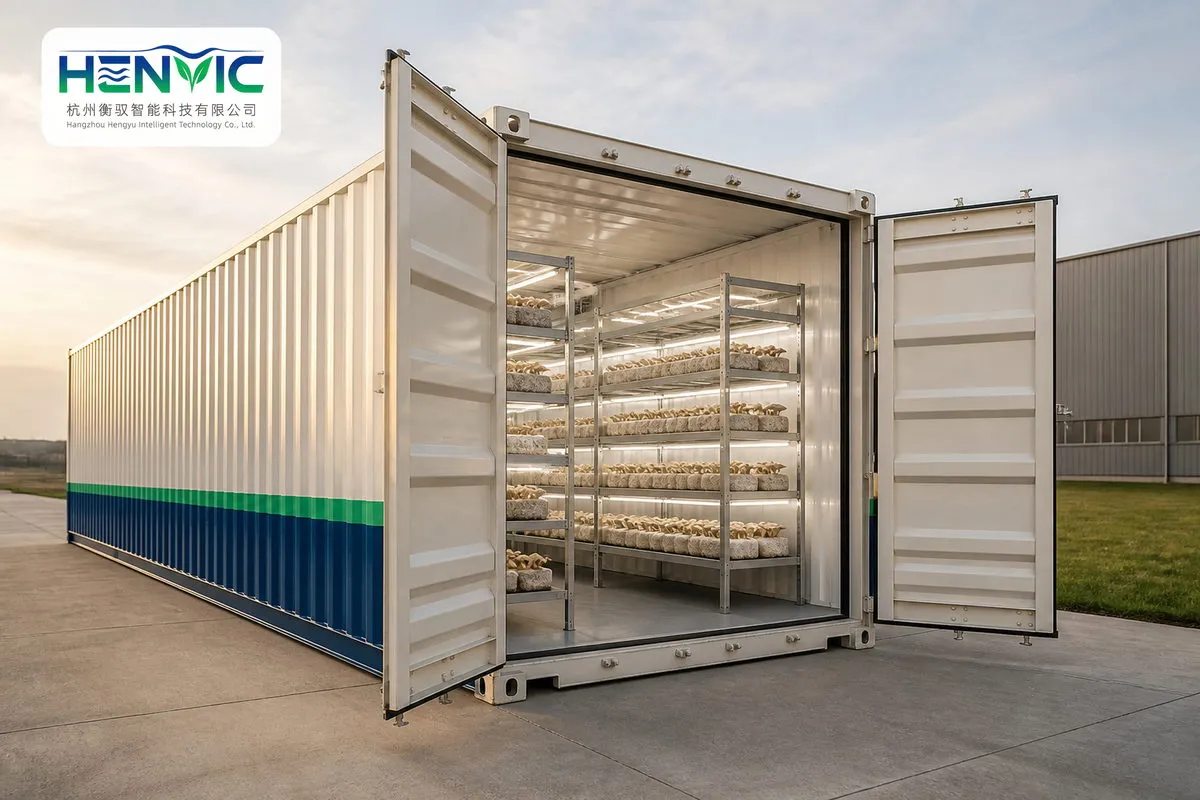
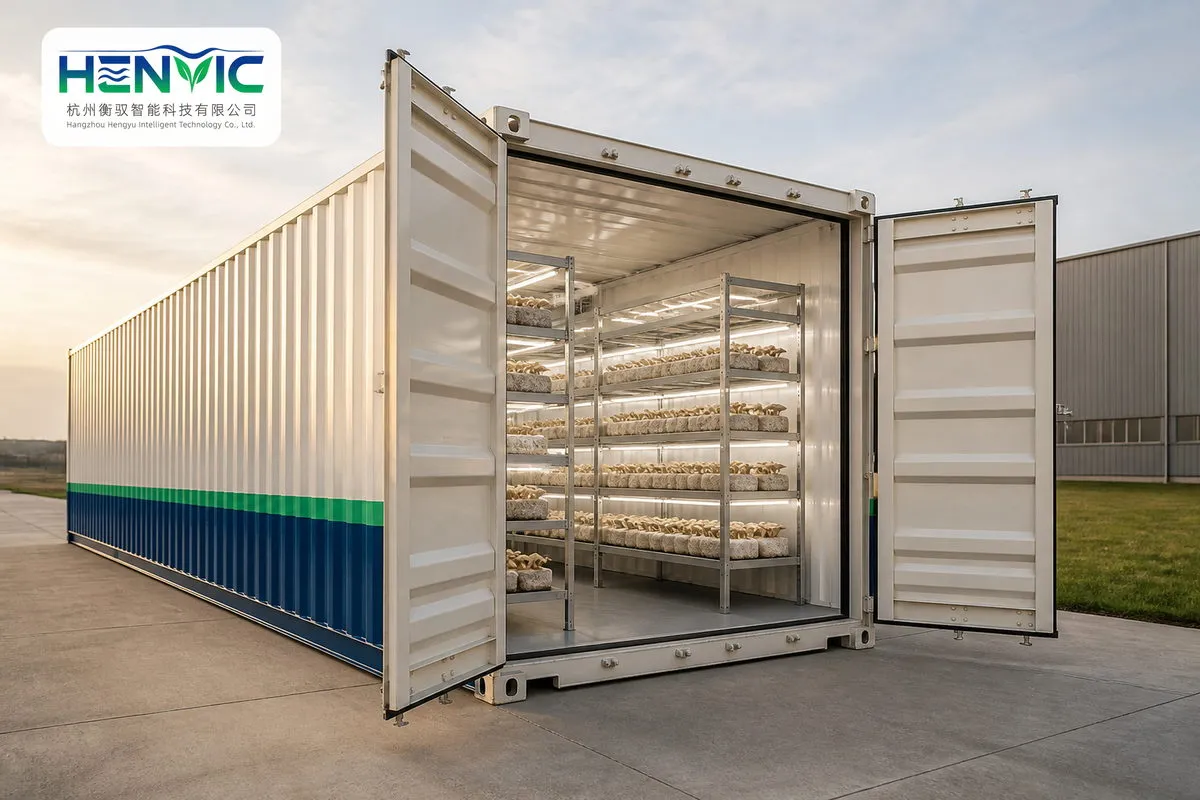
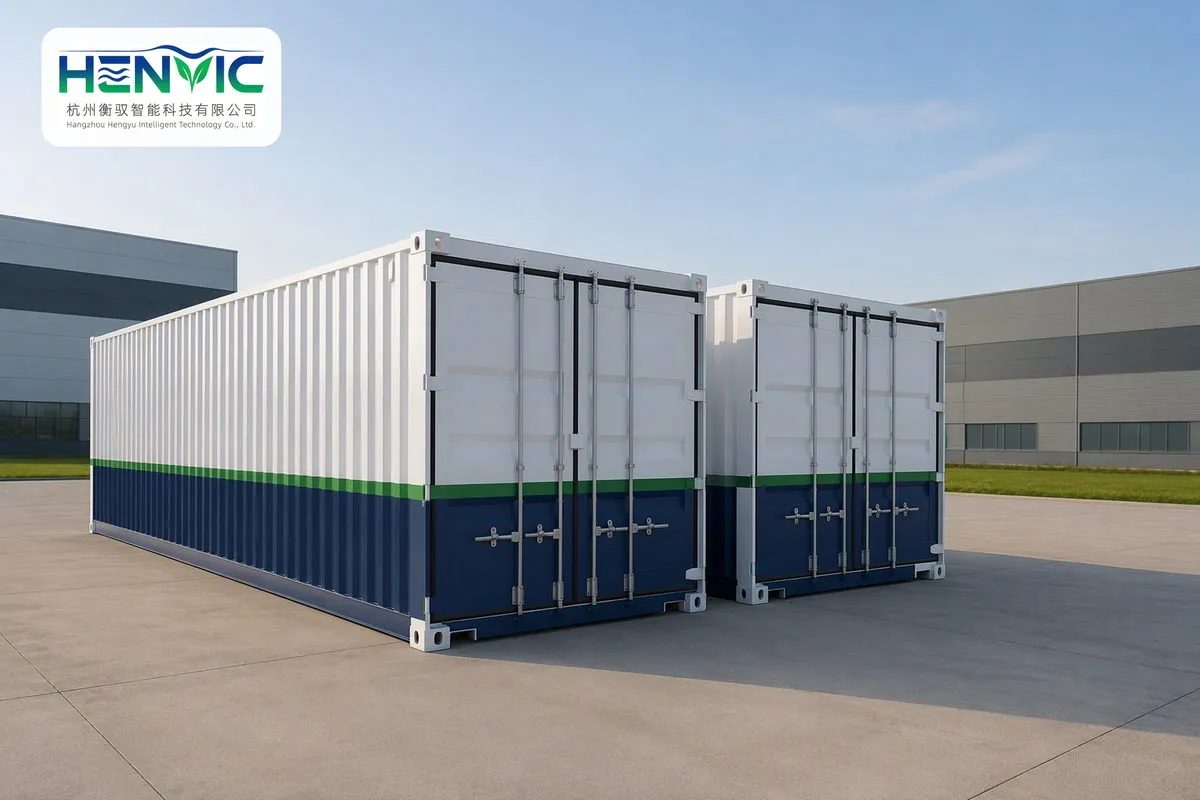
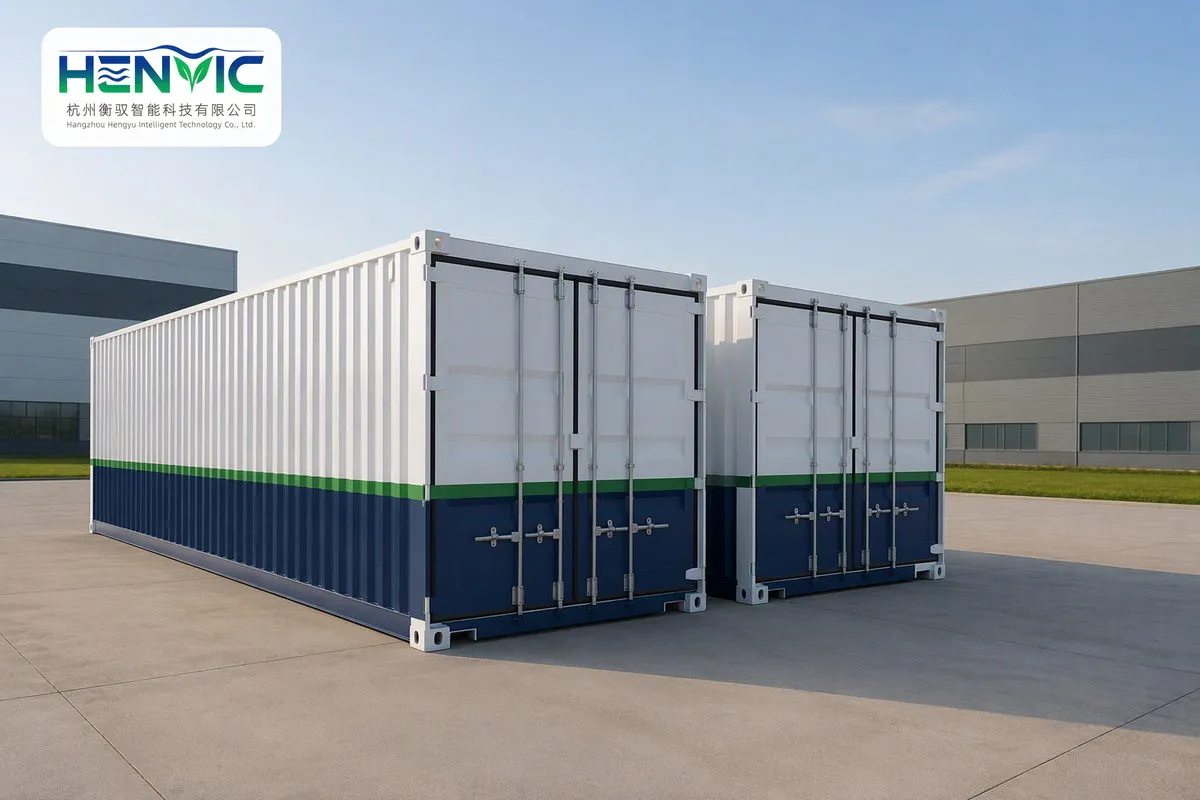
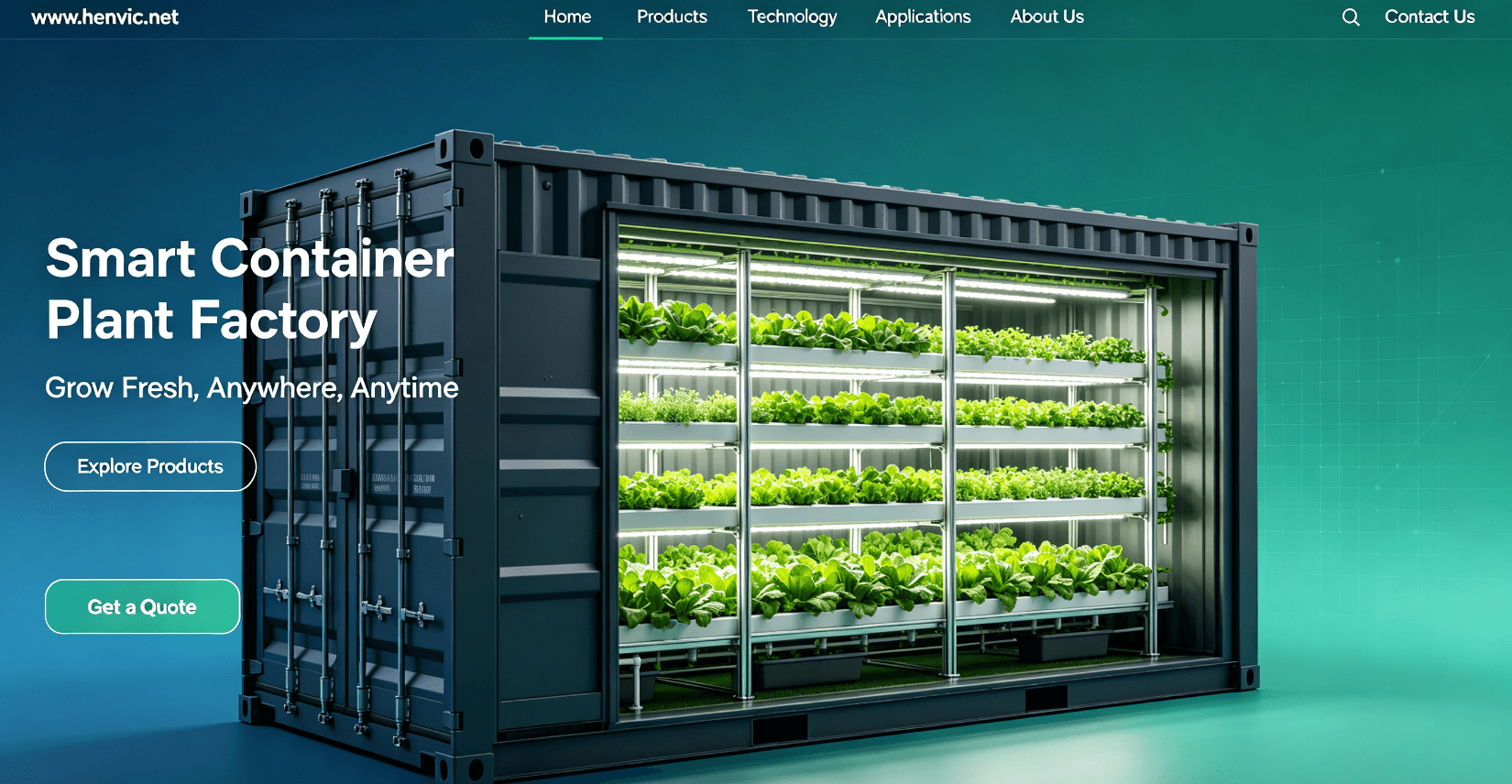
The project utilized a fleet of forty standardized, fully integrated lettuce cultivation containers, equipped with the latest Controlled Environment Agriculture (CEA) technologies. Each container operated as an independent smart plant factory.
- Closed-Loop Hydroponics
Inside the container, lettuce was grown using an advanced nutrient film technique (NFT) hydroponic system. Instead of soil, the roots of the lettuce were continuously flooded by a precisely formulated nutrient solution. This soilless system was supported by an automated water recycling module, which filtered and reused up to 95% of the water. This design perfectly suited the space constraints of urban environments while drastically reducing water consumption. - Precise Environmental and Lighting Control
AI-driven sensors continuously monitored critical parameters, including temperature, humidity, and carbon dioxide concentration. The company installed automated LED lighting arrays engineered specifically for leafy greens. By leveraging data analytics, the system dynamically adjusted the light spectrum and intensity to mimic the ideal seasonal changes, accelerating growth cycles while maintaining a crisp texture.
Operational Achievements and Market Impact
Within nine months of operation, the project yielded remarkable success in both productivity and supply chain efficiency:
- Maximized Spatial Efficiency
By utilizing vertical, multi-tiered racks within the containers, the farm reported a harvest volume equivalent to that of a traditional ten-acre farm, while occupying a footprint of less than 2,000 square meters. - Consistent Quality and Food Safety
The isolated nature of the container prevented external pests and airborne pathogens. The pesticide-free lettuce quickly became a favorite among high-end restaurants. Customer feedback highlighted an extended shelf life compared to traditionally transported greens, owing to the exceptional cleanliness of the produce. - Optimized Supply Chain
By locating the containers just a few miles from major distribution hubs, the company significantly minimized the "food miles" the product traveled. Harvested lettuce reached supermarket shelves within hours, lowering transportation emissions and preserving freshness.
Economic Return and Scalability
The advanced automation significantly reduced human labor costs. Consequently, farmers achieved an efficient, energy-optimized cultivation cycle. This model proved highly scalable, with the company subsequently replicating the container model in other cities, cementing a robust network of urban farms throughout the Northeast corridor.
Conclusion
This case demonstrates that lettuce cultivation containers represent a hallmark of the future of sustainable agriculture. By leveraging precision environmental control, AI-driven automation, and innovative hydroponic techniques, farmers can achieve high yields independent of climate and geography. This containerized cultivation model not only fulfills the rising demand for fresh produce but also sets a new global benchmark for sustainable vertical farming.