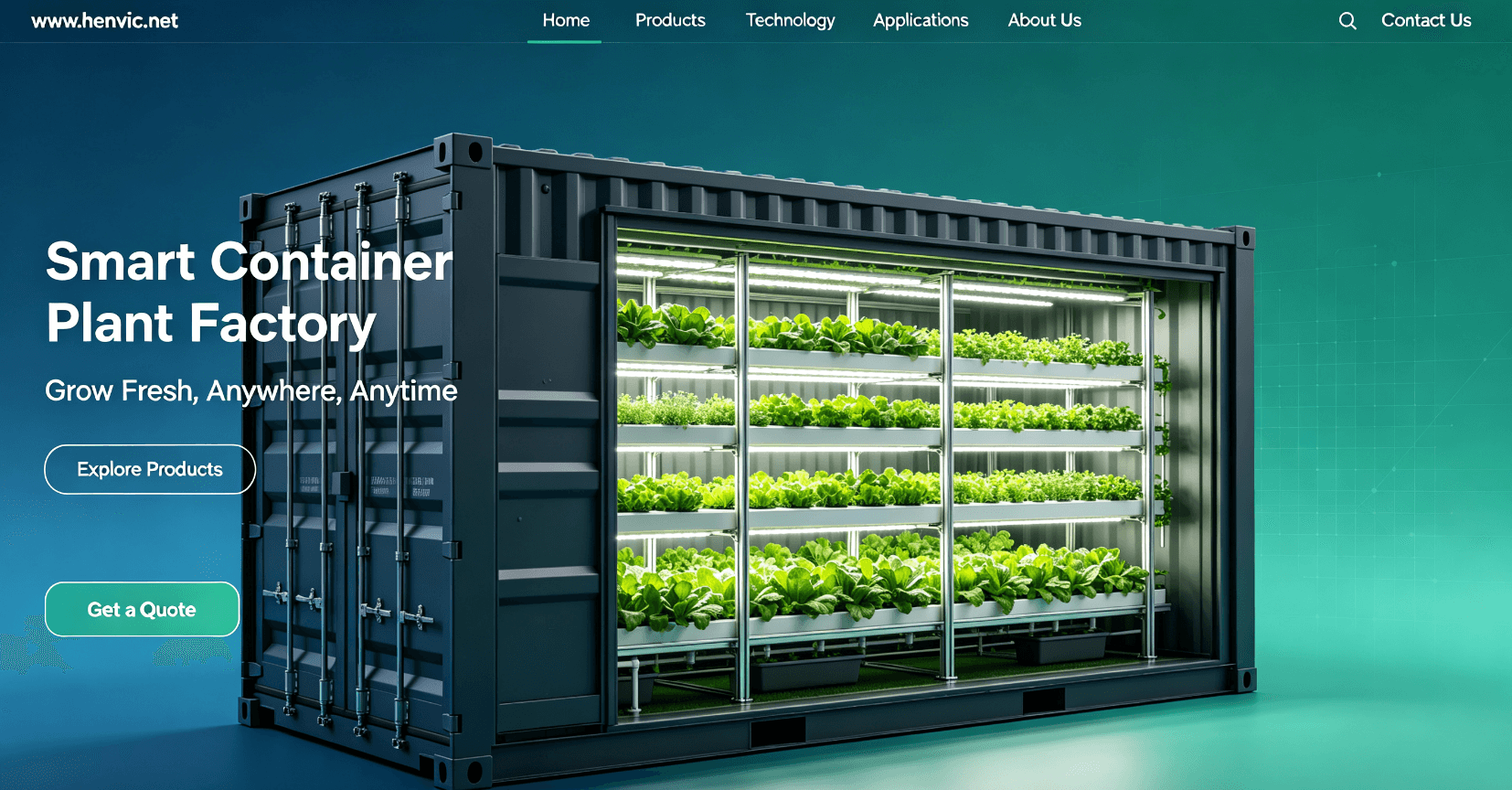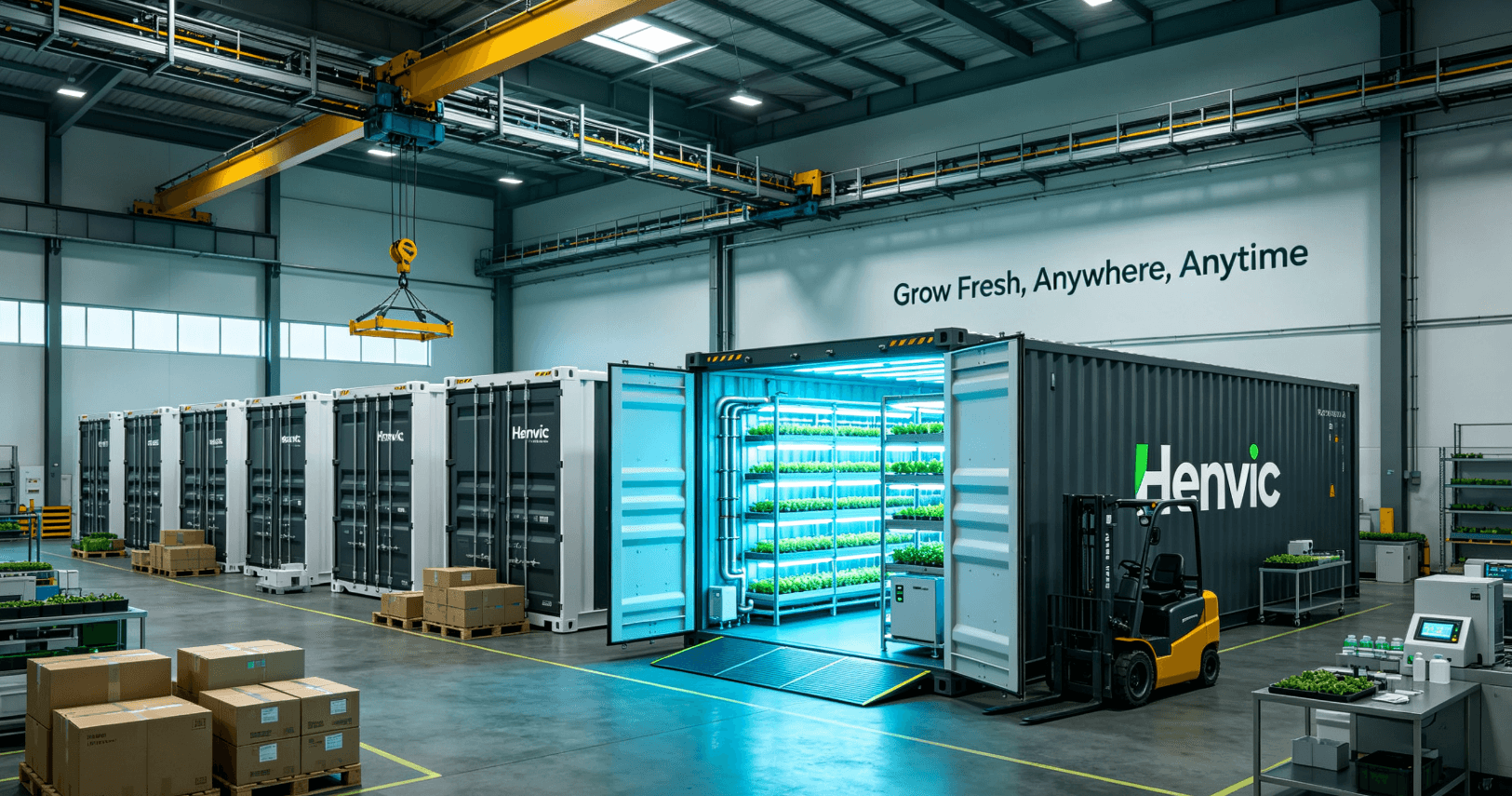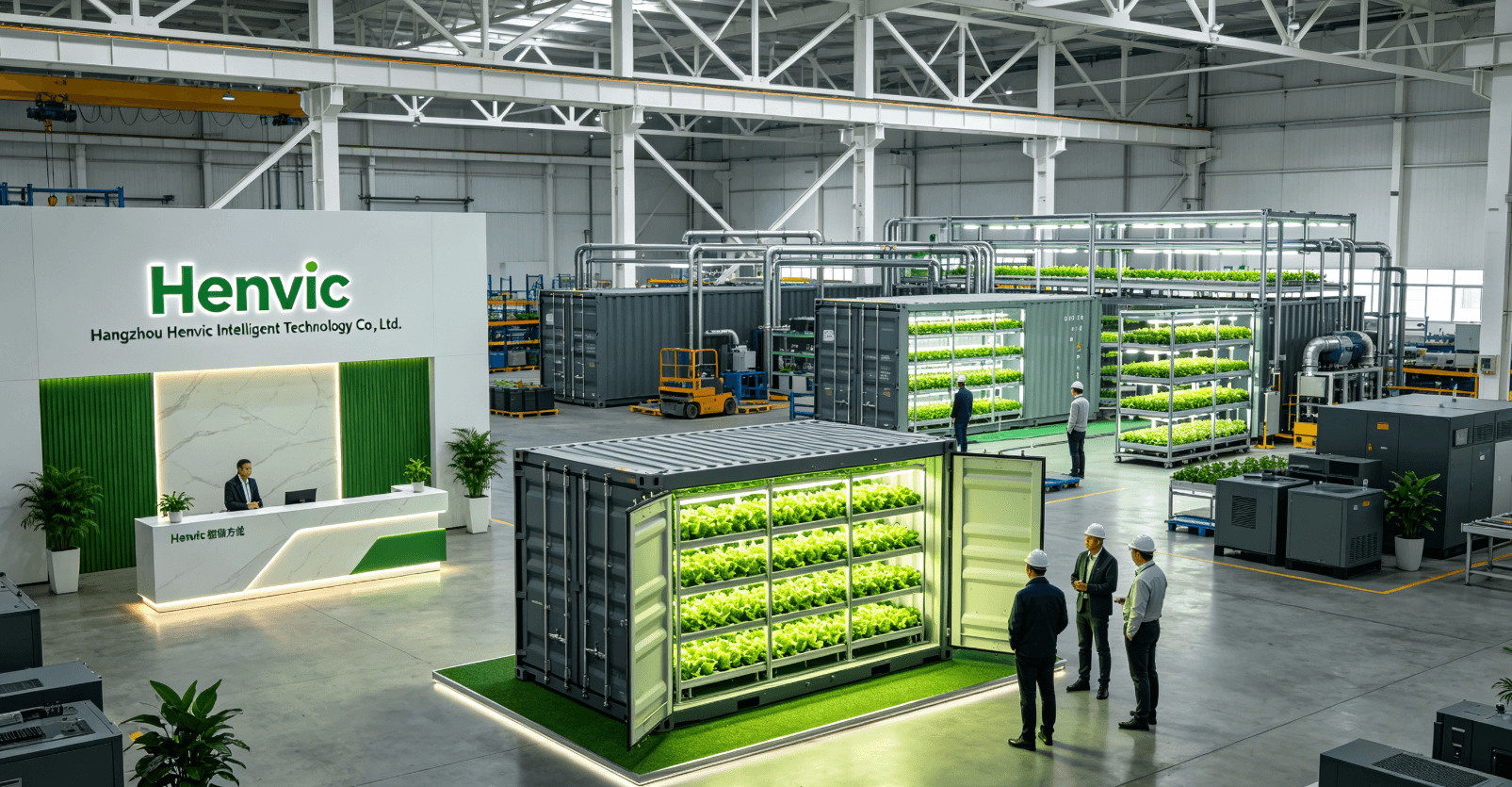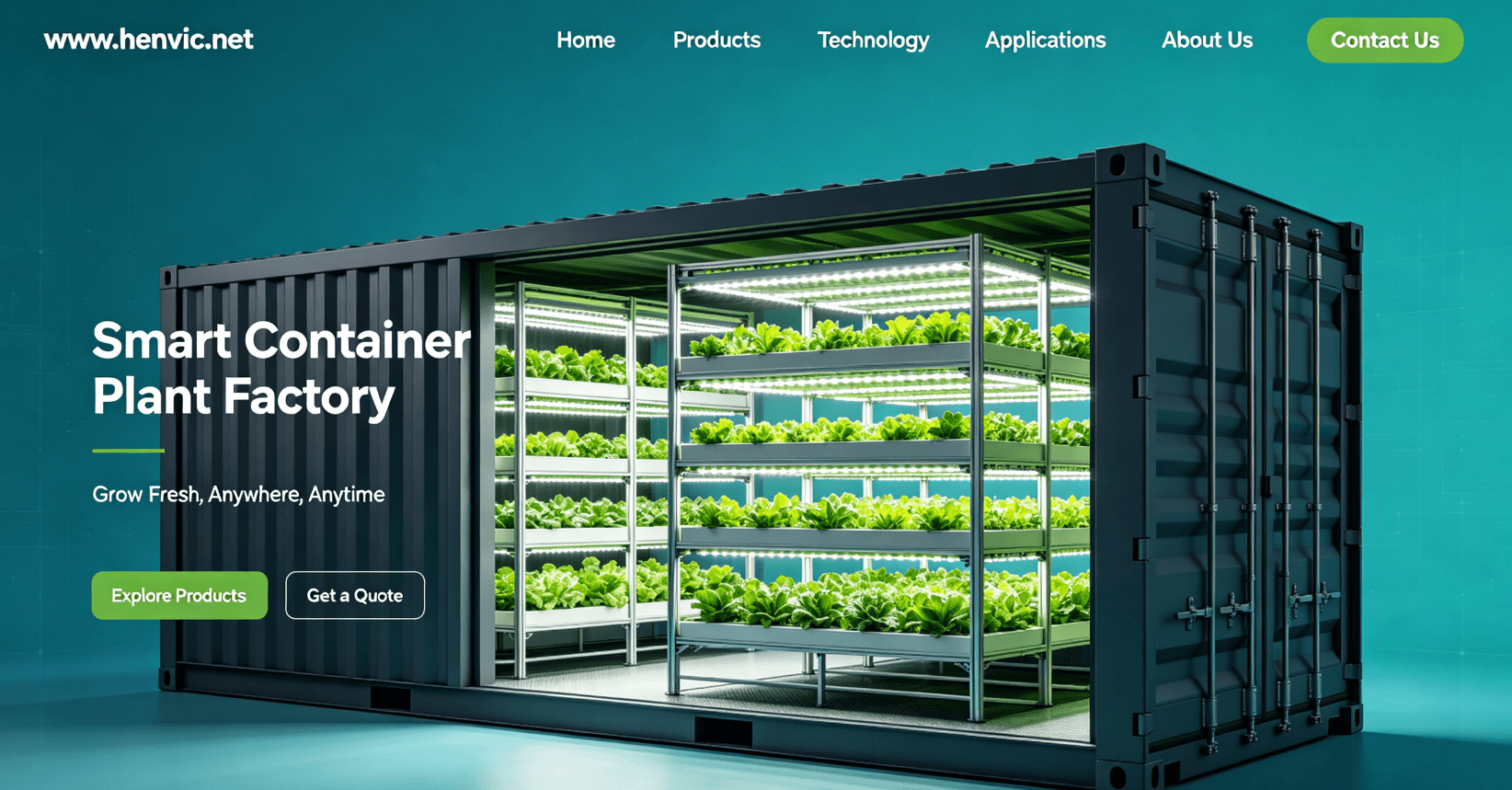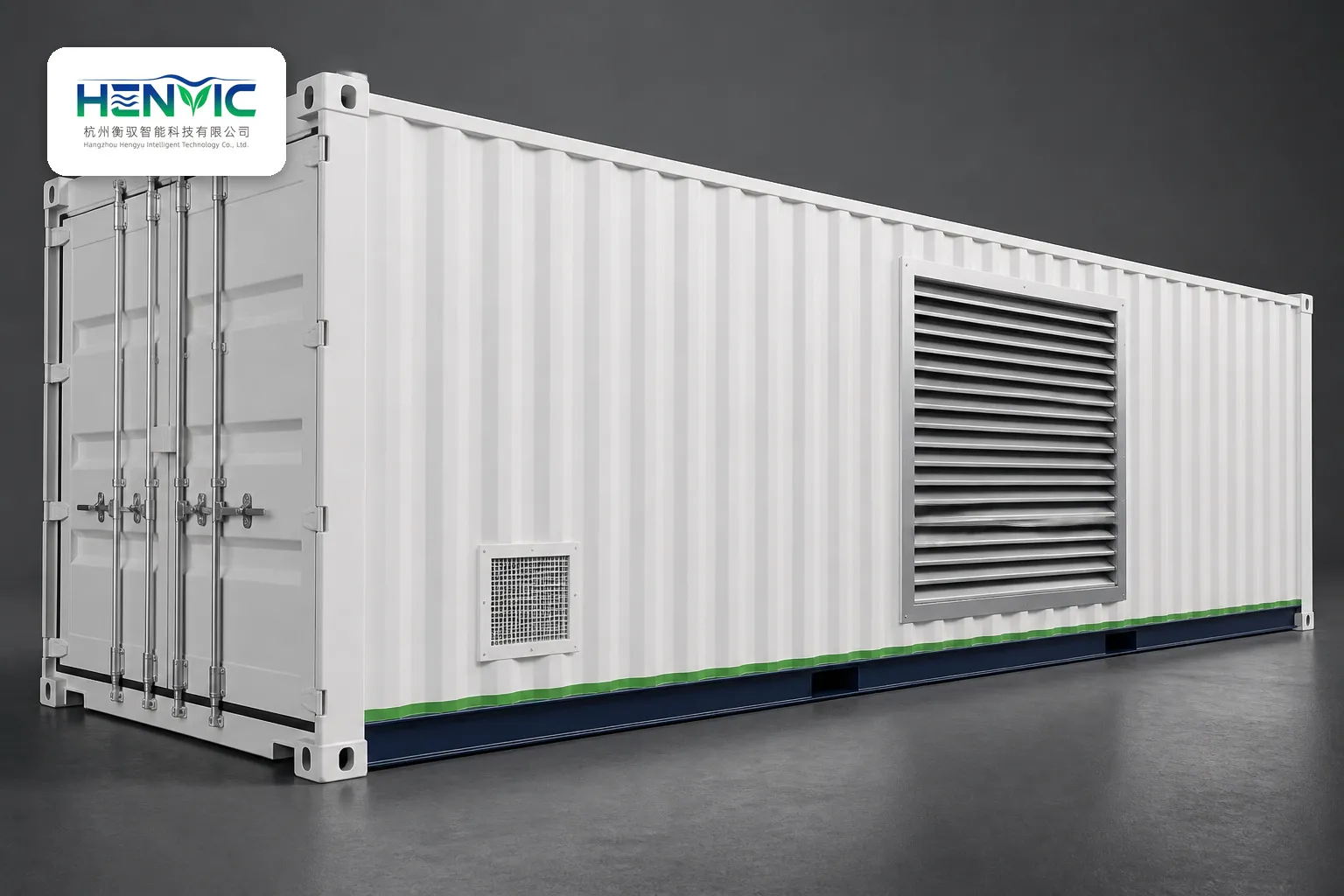
Plant cultivation chambers are closed, intelligent growing systems that integrate advanced control, sensor technology, and material design. They provide stable, controllable environments for plant growth, overcoming limitations of natural climates. This article details the technical architecture, core features, application scenarios, and future trends of plant cultivation chambers.
1. Introduction
Plants are the foundation of agriculture and sustainable ecosystems. Traditional cultivation faces challenges from climate change, soil degradation, and environmental pollution, which threaten food security and ecological stability. Plant cultivation chambers offer a precise, efficient solution by separating plant growth from natural environmental constraints. These chambers maintain ideal growth conditions and incorporate digital management, making them essential for modern agriculture, ecological research, and space exploration.
2. Technical Composition of Plant Cultivation Chambers
2.1 Core Environmental Control System
The environmental control system, the heart of the chamber, delivers stable, adjustable growing conditions through coordination of multiple modules.
- Temperature Regulation: Insulated panels and -thermal modules maintain a set temperature range, with deviation controlled within±1℃ to match the thermal needs of different plant varieties and growth stages.
- Humidity Management: High-precision sensors monitor humidity, driving atomization humidifiers and dehumidification modules to regulate moisture. This prevents water accumulation and maintains suitable air humidity for photosynthesis and transpiration.
- Gas Regulation: A ventilation system controls oxygen, carbon dioxide, and trace gas levels to optimize photosynthesis and reduce disease risk.
2.2 Lighting System
Lighting is critical for plant growth, with precise spectral, intensity, and duration requirements.
- The system uses adjustable LED modules providing full-spectrum or targeted light (red, blue, far-red) to control germination, flowering, and fruiting.
- A smart shading and timing function mimics natural light cycles, allowing flexible configuration for different plant needs.
2.3Intelligent Monitoring and Management System
This system integrates computers, software, and communication tools for real-time management.
- Sensors continuously collect data on temperature, humidity, light, gases, and nutrient levels, displayed on an interface and stored for analysis.
- Controllers automatically adjust equipment based on preset conditions, reducing human error.
- Remote access allows users to monitor and control chambers via mobile devices, improving efficiency.
2.4 Cultivation Support System
This system supplies essential growth inputs for plants.
- A nutrient circulating system distributes balanced nutrient solutions to plant roots, with real-time monitoring to maintain nutrient balance and support plant growth cycles.
- Water purification, circulation, and drainage modules facilitate efficient water use, with sensors adjusting irrigation based on plant water needs to prevent waste.
2.5 Structural Design
The chamber structure ensures durability and hygiene.
- Inner walls use corrosion-resistant, easy-to-clean materials that prevent contamination and ensure long service life.
- Sealed structures maintain stable internal environments and protect against external pollutants.
- Modular design allows flexible size and functional expansion to suit diverse applications.
3. Characteristics of Plant Cultivation Chambers
3.1 No Environmental Dependence
Cultivation chambers operate independently of season, climate, or geography, enabling year-round production and overcoming limitations of traditional farming.
3.2 High Precision and Reliability
Automated control minimizes environmental fluctuations, ensuring consistent plant growth, high quality, and predictable yields.
3.3 Resource Efficiency and Eco-Friendliness
Closed-loop designs recycle water and nutrients, reducing waste. Efficient energy use and lighting lower operational costs and environmental impact, supporting sustainable development.
3.4 Flexibility and Customization
Chambers can be adapted to accommodate various plant species and clone requirements, meeting diverse research, commercial, and experimental needs.
4. Application Scenarios
- Commercial Agriculture: Labor-intensive crops are grown efficiently with stable yields, supporting large-scale, sustainable food production.
- Scientific Research: Precise control accelerates plant research, including breeding studies, stress tolerance experiments, and growth mechanism analysis.
- Space Exploration: Closed life-support systems enable space plant cultivation, providing food and oxygen for astronauts on missions.
- Urban and Specialized Settings: Rooftops, basements, and mobile platforms host chambers to supply local communities with fresh produce.
5. Future Trends
Future development focuses on adaptive intelligence, where AI analyzes data for dynamic optimization. Energy recovery and core technological research will enhance performance, while digital integration with agricultural ecosystems will unlock broader applications. Continued innovation will drive the adoption of plant cultivation chambers, making agriculture smarter and more sustainable.
6. Conclusion
Plant cultivation chambers are a catalyst for controlled-environment agriculture, overcoming traditional farming limitations. They combine precision, efficiency, and flexibility to support food security, ecological protection, and scientific progress. With technological evolution, these chambers will deliver greater value and promote sustainable agricultural development.