Mushroom cultivation has evolved significantly in recent years, with technological advancements revolutionizing the way fungi are grown. Among the various species, oyster mushrooms (Pleurotus spp.) stand out for their adaptability, nutritional value, and ease of cultivation. In this article, we explore how containerized systems are transforming oyster mushroom farming into a highly efficient, scalable, and sustainable practice.
1. Understanding Oyster Mushrooms
Oyster mushrooms are prized for their delicate flavor, tender texture, and rich nutritional profile. They are rich in protein, fiber, vitamins, and minerals, making them a popular ingredient in culinary traditions worldwide. However, their growth is influenced by several environmental factors, including temperature, humidity, light, and air quality.
2. The Role of Containers in Modern Cultivation
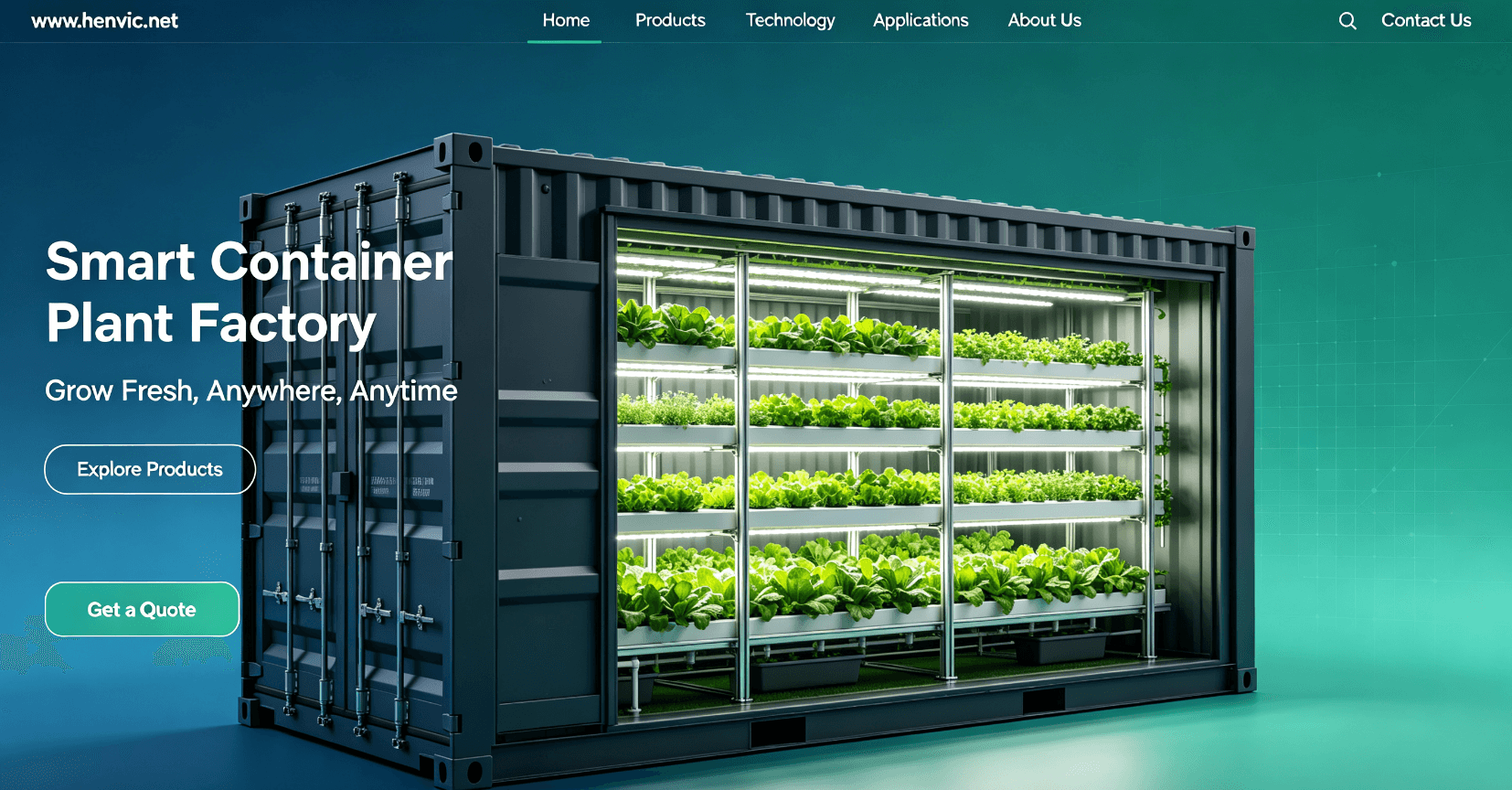
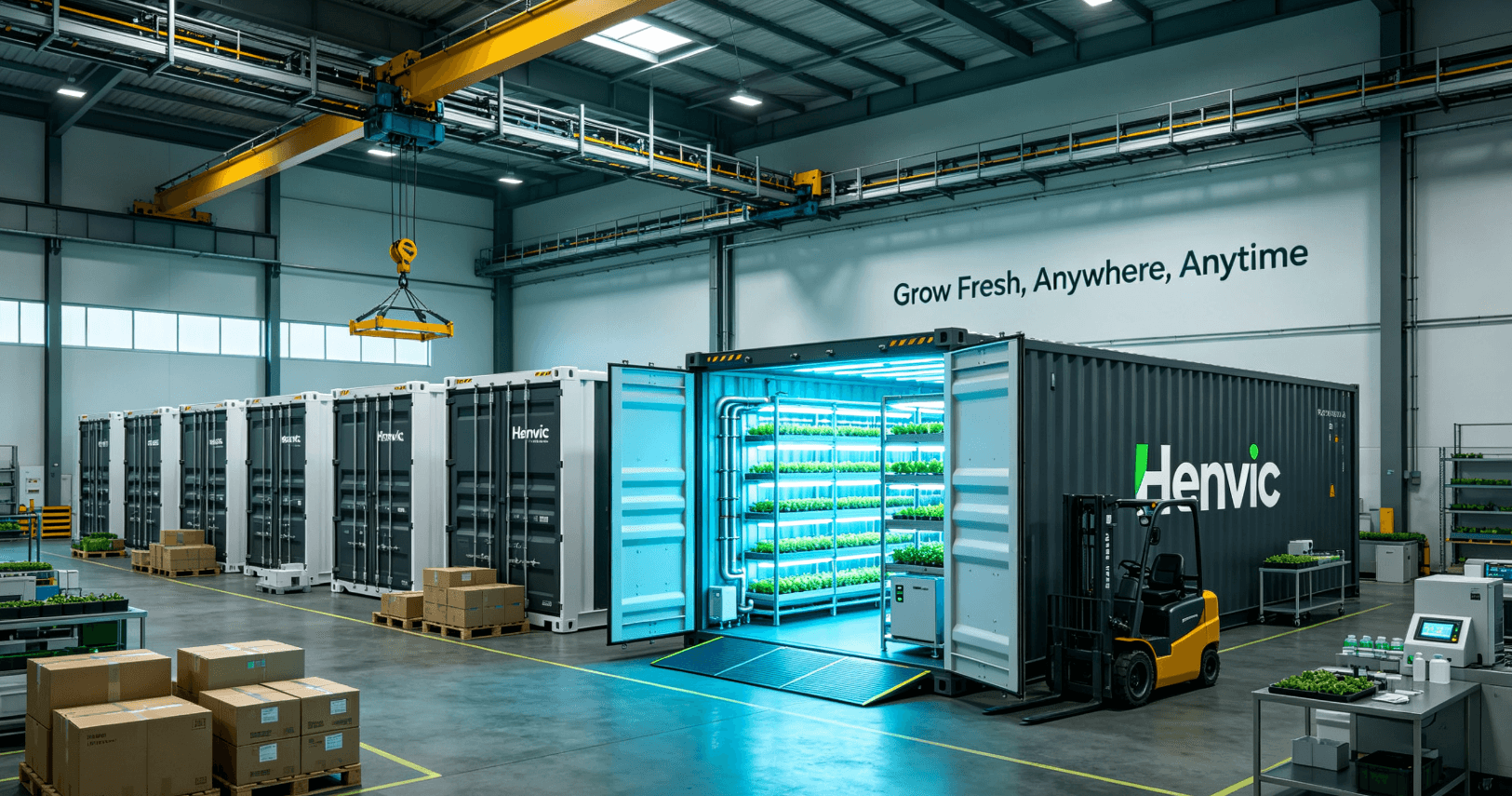
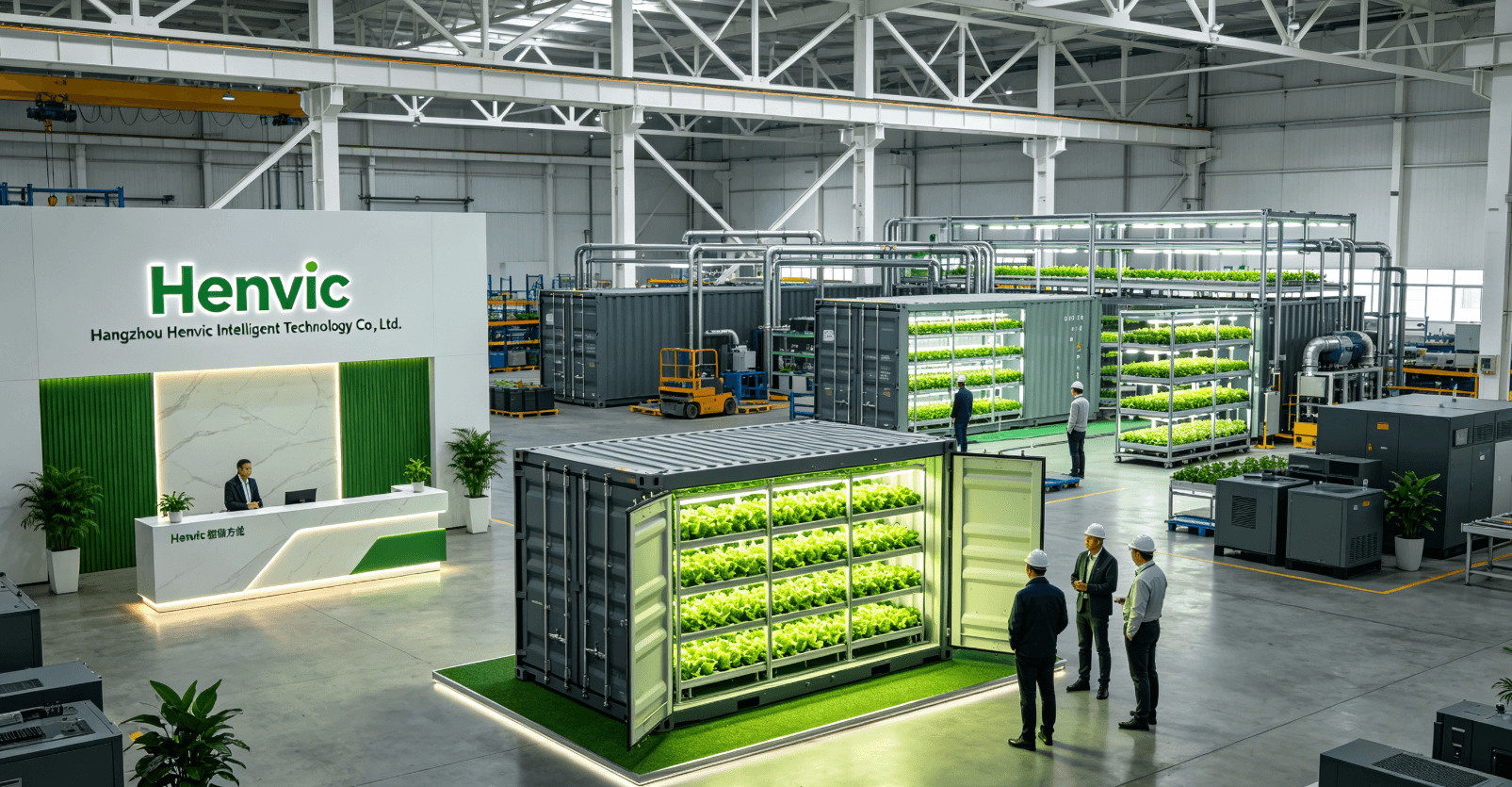
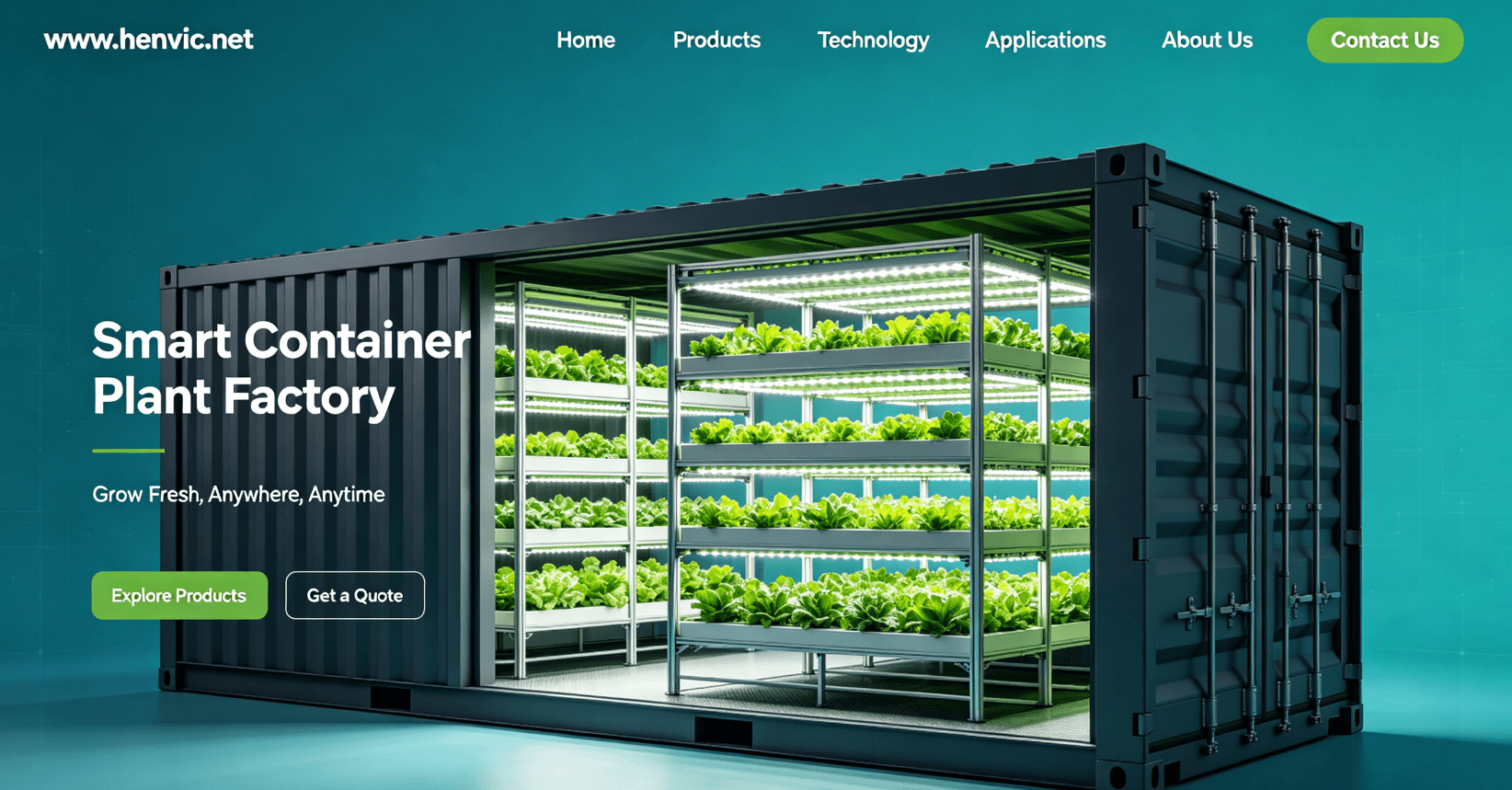
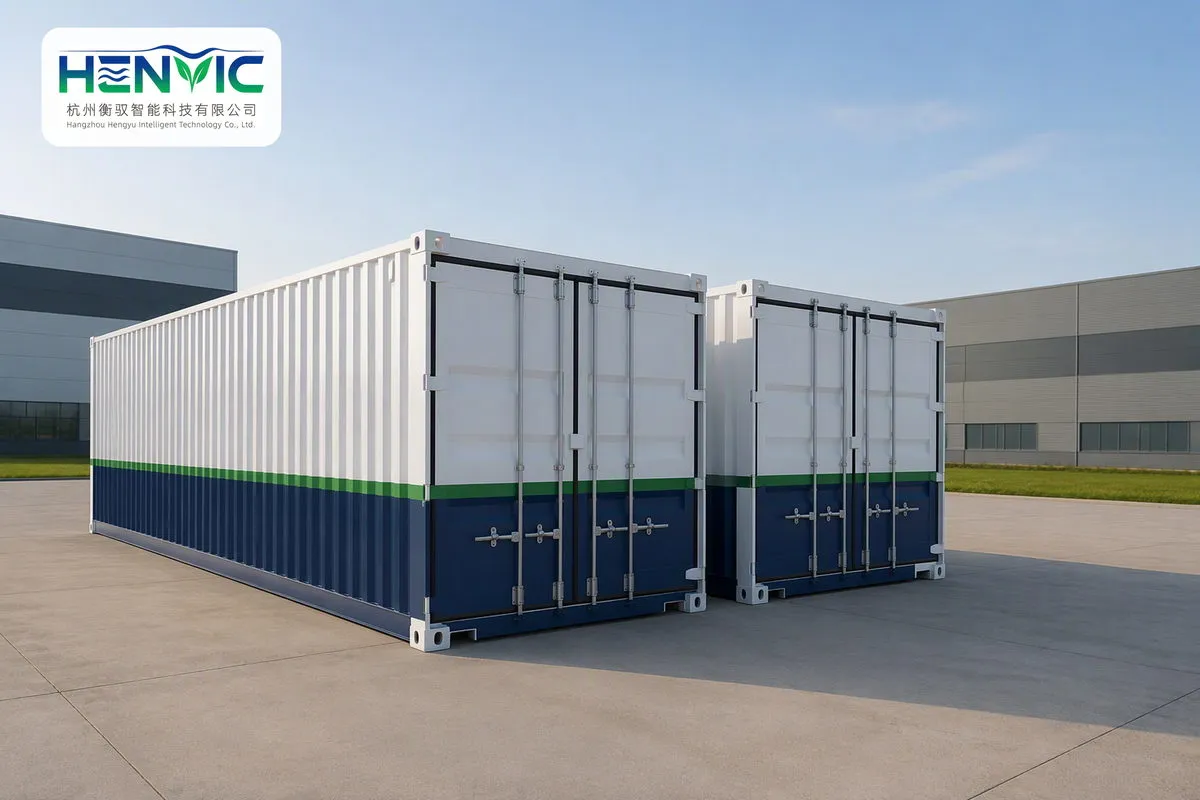
Traditional oyster mushroom cultivation often occurs in open fields or greenhouses, where environmental conditions are more difficult to control. Containerized systems offer a solution by creating a controlled environment that can be tailored to the specific needs of the mushrooms. These containers are essentially portable, climate-controlled units that house the growing substrate and mushroom spawn.
- Modularity: Containers can be stacked or arranged in clusters, allowing for efficient use of space and easy scalability.
- Controlled Environment: Advanced sensors and automation systems regulate temperature, humidity, and air flow, ensuring optimal growing conditions year-round.
- Protection: The enclosed nature of containers shields the mushrooms from pests, diseases, and adverse weather conditions, reducing the risk of crop loss.
3. Designing a Containerized Oyster Mushroom Farm
Designing a containerized oyster mushroom farm involves several key considerations:
- Container Selection: Choose containers that are insulated, durable, and easy to clean. Glass or plastic containers with proper ventilation are ideal.
- Substrate Preparation: Oyster mushrooms thrive on a variety of substrates, including sawdust, straw, and agricultural waste. The substrate must be sterilized to prevent contamination.
- Spawn Inoculation: High-quality mushroom spawn is crucial for successful cultivation. The spawn is mixed with the substrate and placed in the containers under controlled conditions.
- Environmental Monitoring: Install sensors to monitor temperature, humidity, and air quality. These parameters can be adjusted as needed to optimize growth.
4. The Cultivation Process
Substrate Preparation and Sterilization: Begin with a substrate that is rich in nutrients and free of contaminants. Sterilization is essential to eliminate harmful microorganisms.
Inoculation: Mix the sterilized substrate with oyster mushroom spawn in a clean environment to avoid contamination.
Incubation: Place the inoculated substrate in the container and allow it to incubate under controlled conditions. The mycelium will colonize the substrate during this period.
Fructification: Once the substrate is fully colonized, trigger fruiting by adjusting environmental conditions, such as light and humidity.
Harvesting: Harvest the mushrooms when they reach the desired size and maturity. Repeated harvests are possible by maintaining optimal growing conditions.
5. Benefits of Containerized Cultivation
- Increased Yield: Controlled environments result in higher and more consistent yields.
- Year-Round Production: Containers enable continuous harvesting, regardless of the season.
- Reduced Risk: Protection from pests and diseases minimizes crop losses.
- Space Efficiency: Containers can be stacked, maximizing production in limited spaces.
- Sustainability: Use of renewable resources and closed-loop systems reduce environmental impact.
6. Challenges and Solutions
While containerized oyster mushroom cultivation offers numerous benefits, it also presents some challenges:
- Initial Investment: The cost of setting up a containerized system can be high. However, the long-term benefits often outweigh the initial expenses.
- Technical Knowledge: Operating advanced environmental control systems requires some technical expertise. Training and support are essential for successful implementation.
- Energy Consumption: Maintaining optimal conditions in containers requires energy. Opting for energy-efficient systems and renewable energy sources can mitigate this issue.
7. Future Directions
The future of oyster mushroom cultivation lies in further integration of technology and sustainability. Innovations such as IoT (Internet of Things) sensors, automated harvesting systems, and AI-driven environmental management are poised to enhance efficiency and reduce costs.
Conclusion
Containerized cultivation technology has brought a revolutionary change to oyster mushroom farming. By providing a controlled, efficient, and sustainable growing environment, this approach not only boosts productivity but also aligns with the principles of modern agriculture. As technology continues to advance, we can expect containerized systems to become even more sophisticated, making oyster mushroom cultivation accessible to a wider audience and contributing to global food security.
In summary, containerized oyster mushroom cultivation represents a promising future for sustainable agriculture, combining the best of traditional farming with cutting-edge technology. Whether for small-scale farmers or large commercial operations, the benefits of this method are clear, paving the way for a more resilient and innovative agricultural sector.