Introduction
As urbanization accelerates and the demand for fresh, locally sourced, and safe produce continues to rise, modern agriculture is facing unprecedented challenges regarding land use, climate dependence, and resource consumption. In response to this, a forward-thinking agricultural technology company in Singapore successfully implemented an innovative leafy green cultivation container project. This case study explores the technological application, operational benefits, and significant impacts of utilizing container-based systems for urban agriculture.
Project Background and Challenges
Singapore's geographical constraints and limited arable land traditionally forced the country to import over 90% of its fresh vegetables. Fluctuating global supply chains and extreme weather events often led to shortages and price volatility. To address this vulnerability and achieve national food security goals, the local enterprise initiated a project to establish a high-tech, fully controlled environment for cultivating premium leafy greens, including baby spinach, arugula, and butterhead lettuce.
Technological Integration and System Design
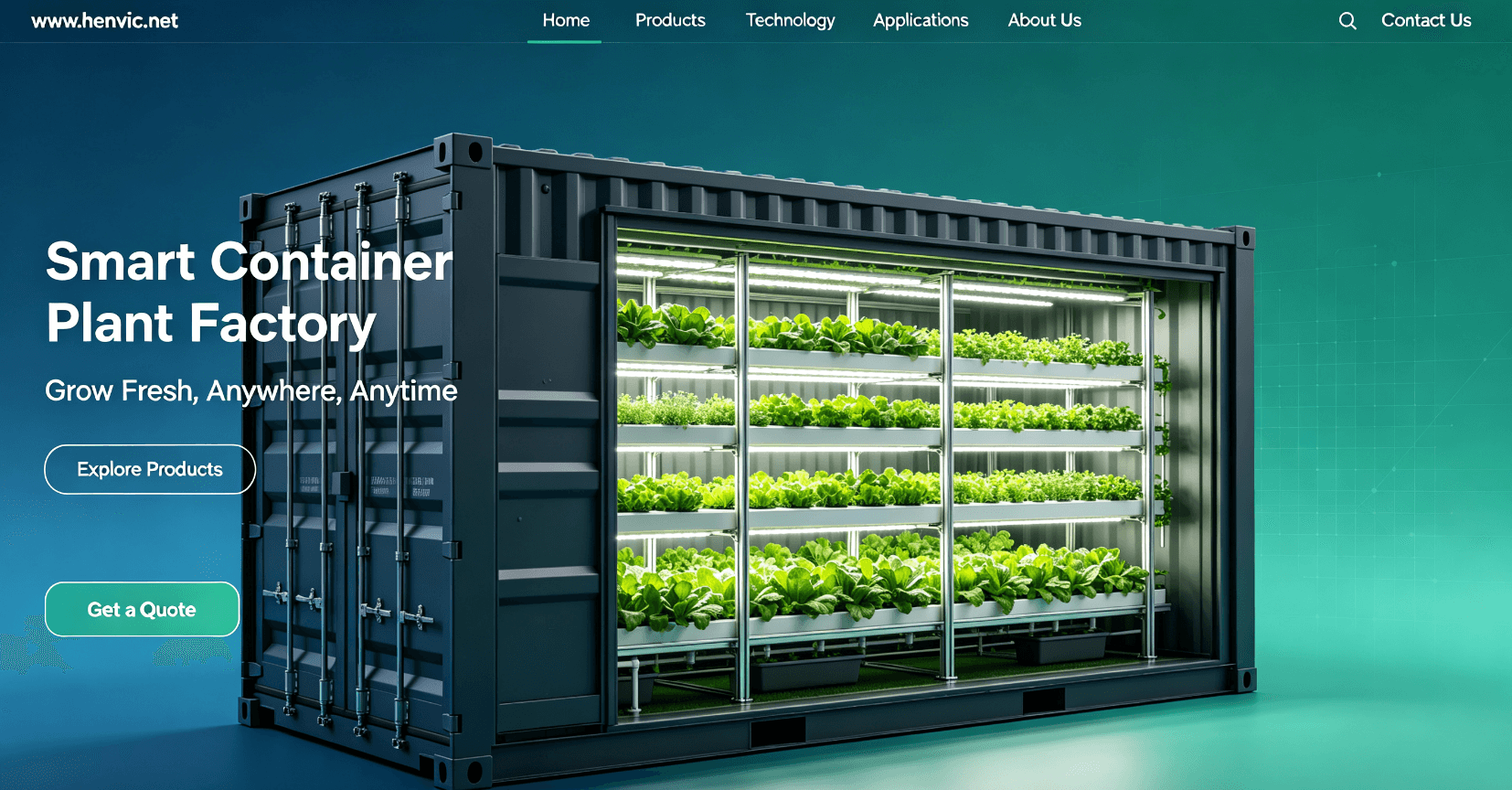
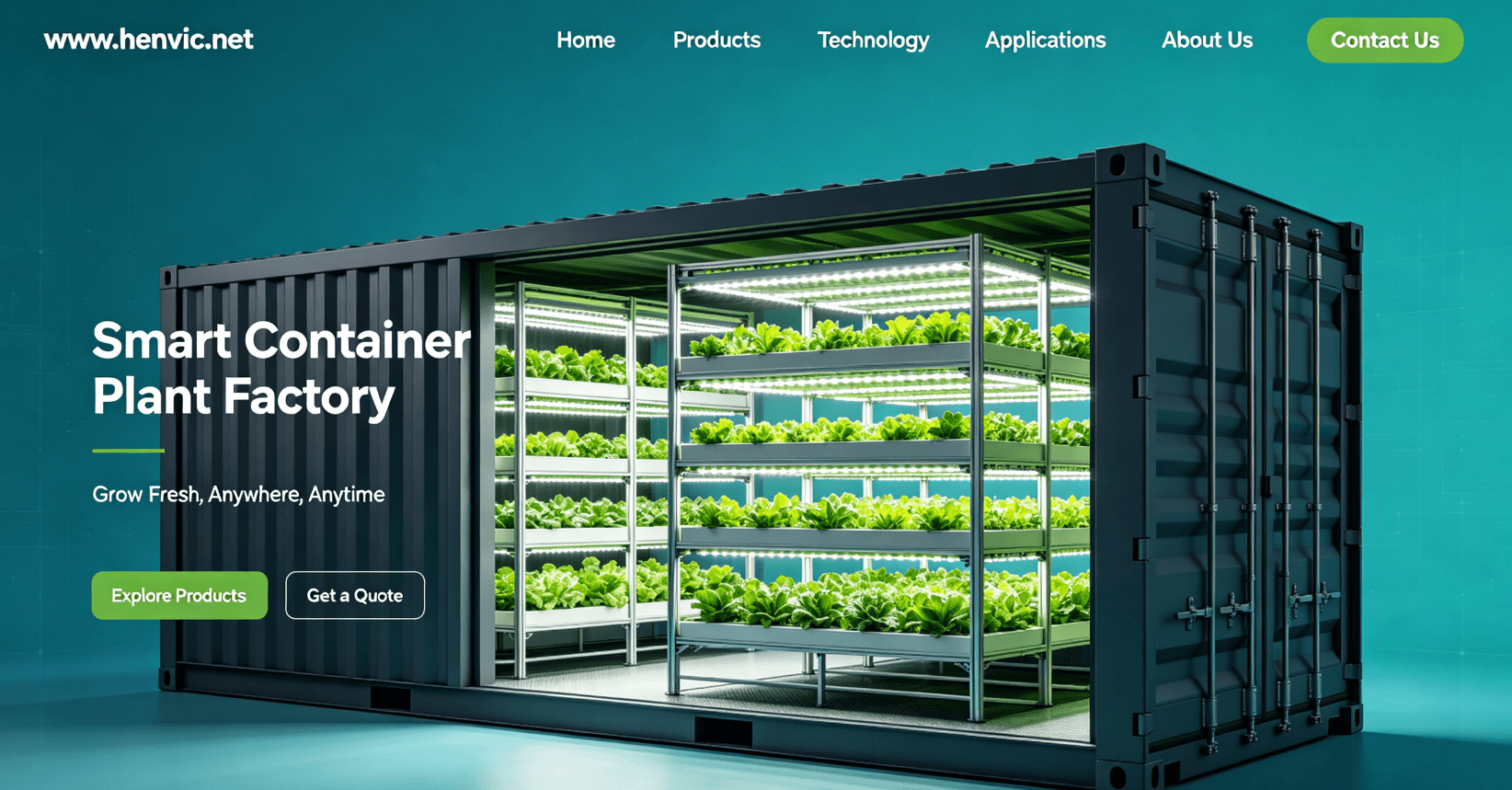
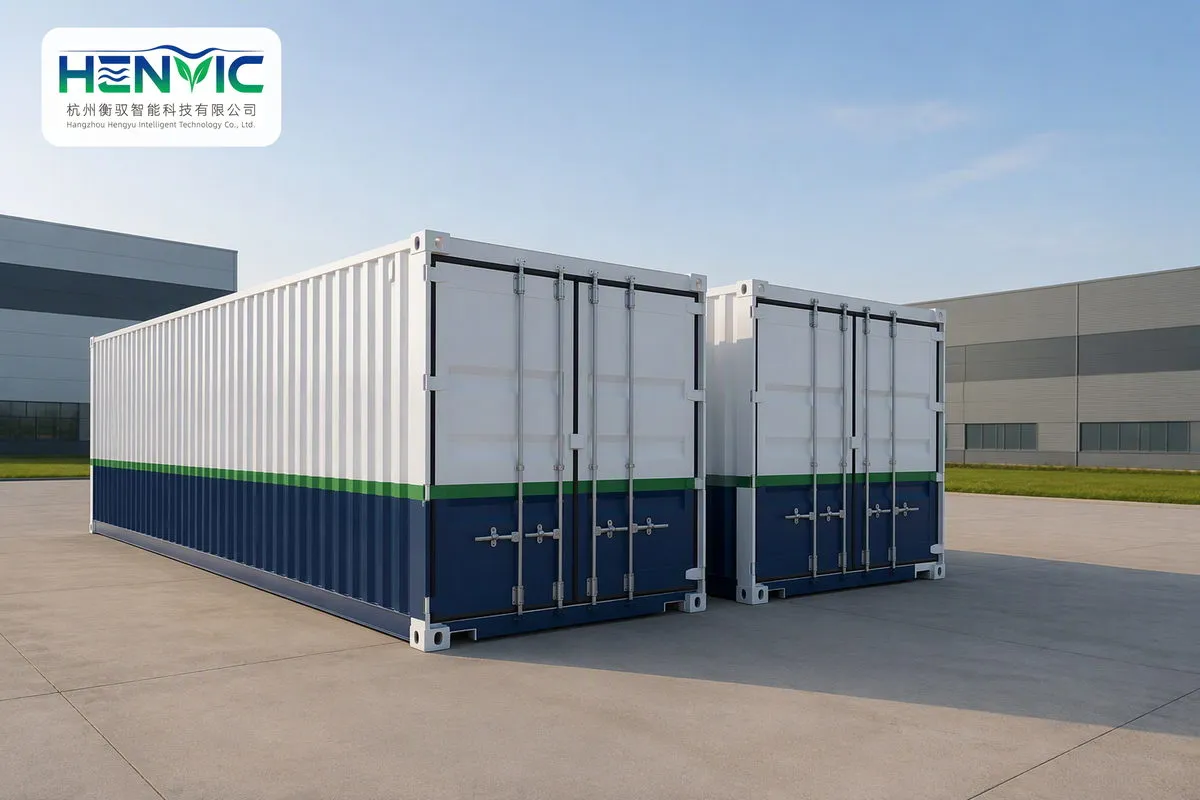
The project relied on standardized, modular leafy green cultivation containers that functioned as independent smart farming units. The success of the endeavor was driven by the seamless integration of several advanced agricultural technologies:
Precision Environmental Control
Each container was equipped with a state-of-the-art HVAC system, automated misting nozzles, and CO₂ adapters. Through a centralized IoT network, managers could continuously adjust internal conditions. Humidity was maintained at optimal levels (around 65-75% relative humidity) to prevent tip burn in tender leaves, while temperatures were kept cool to mimic ideal late-spring growing conditions.AI-Driven Lighting and Hydroponic Systems
To maximize spatial efficiency, the containers featured multi-tier vertical growing racks illuminated by customized LED arrays. The lighting system utilized specific light spectra scientifically proven to enhance photosynthesis, pigmentation, and vitamin accumulation in leafy vegetables.
Crops were cultivated via an advanced hydroponic system using the Nutrient Film Technique. This soilless method delivered a precisely formulated nutrient solution directly to the roots. Compared to traditional open-field farming, this closed-loop hydroponic system reduced water and fertilizer usage by more than 90%.
- Blockchain-Backed Quality Assurance
In a highly competitive agricultural market, the company integrated blockchain technology into their container network. Every batch of greens was traceable from seed to harvest. Sensors recorded all environmental metrics, ensuring strict compliance with safety standards and allowing buyers to verify the precise history and purity of the produce.
Operational Achievements and Market Impact
The implementation of the leafy green cultivation containers yielded rapid and substantial results:
High Yield in a Compact Footprint: Because the containers employed vertical farming techniques and optimized biological cycles, the yield per square meter was 40 times higher than traditional open-field farms.
Unwavering Quality and Safety: The fully enclosed environment, combined with advanced air filtration, eliminated exposure to airborne pests and chemical pollutants. The resulting leafy greens required no pesticides and boasted extended shelf lives, directly satisfying strict health and food safety regulations.
Rapid Local Supply: By situating the containers within the urban boundaries, the company drastically reduced transportation-related emissions. Leafy greens could be harvested in the morning and delivered to local supermarkets and high-end restaurants that same day, ensuring maximum freshness.
Economic and Environmental Benefits
From an economic perspective, the automation within the containers significantly reduced labor costs, while the high-value crops generated steady, premium returns. Environmentally, the project contributed significantly to Singapore's goal of "30 by 30" (producing 30% of the nation's nutritional needs domestically by 2030), showcasing a viable model for reducing carbon footprints and import reliance.
Conclusion
The successful cultivation of leafy greens in containers demonstrates the immense potential of modern smart agriculture. By integrating multi-tier hydroponics, precise climate control, and AI-driven automation, farmers can achieve stable, high-quality yields without relying on traditional agricultural landscapes. As this technology matures, containerized leafy green farming will undoubtedly play a vital role in ensuring global food security and advancing sustainable urban development.