Introduction
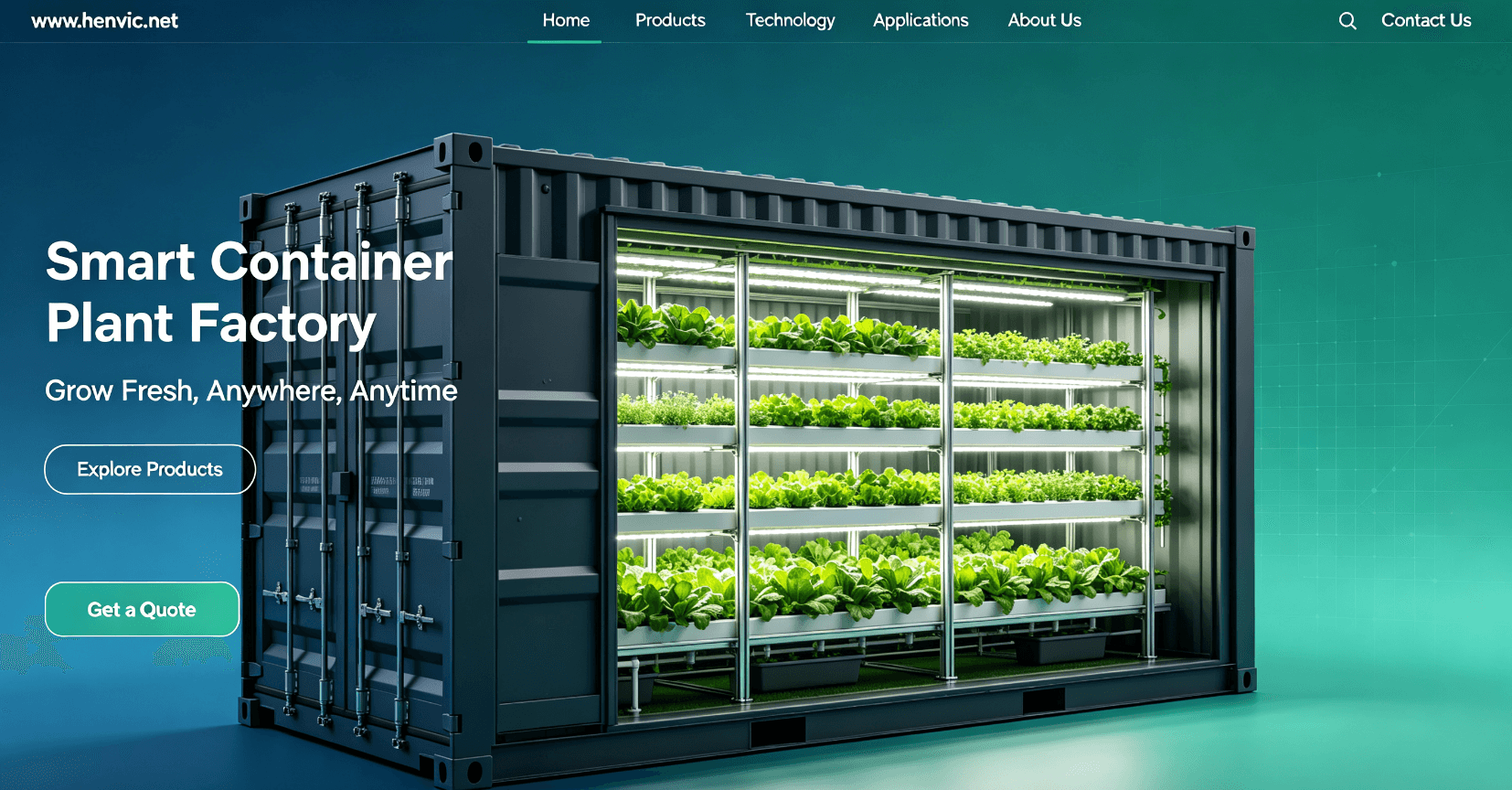
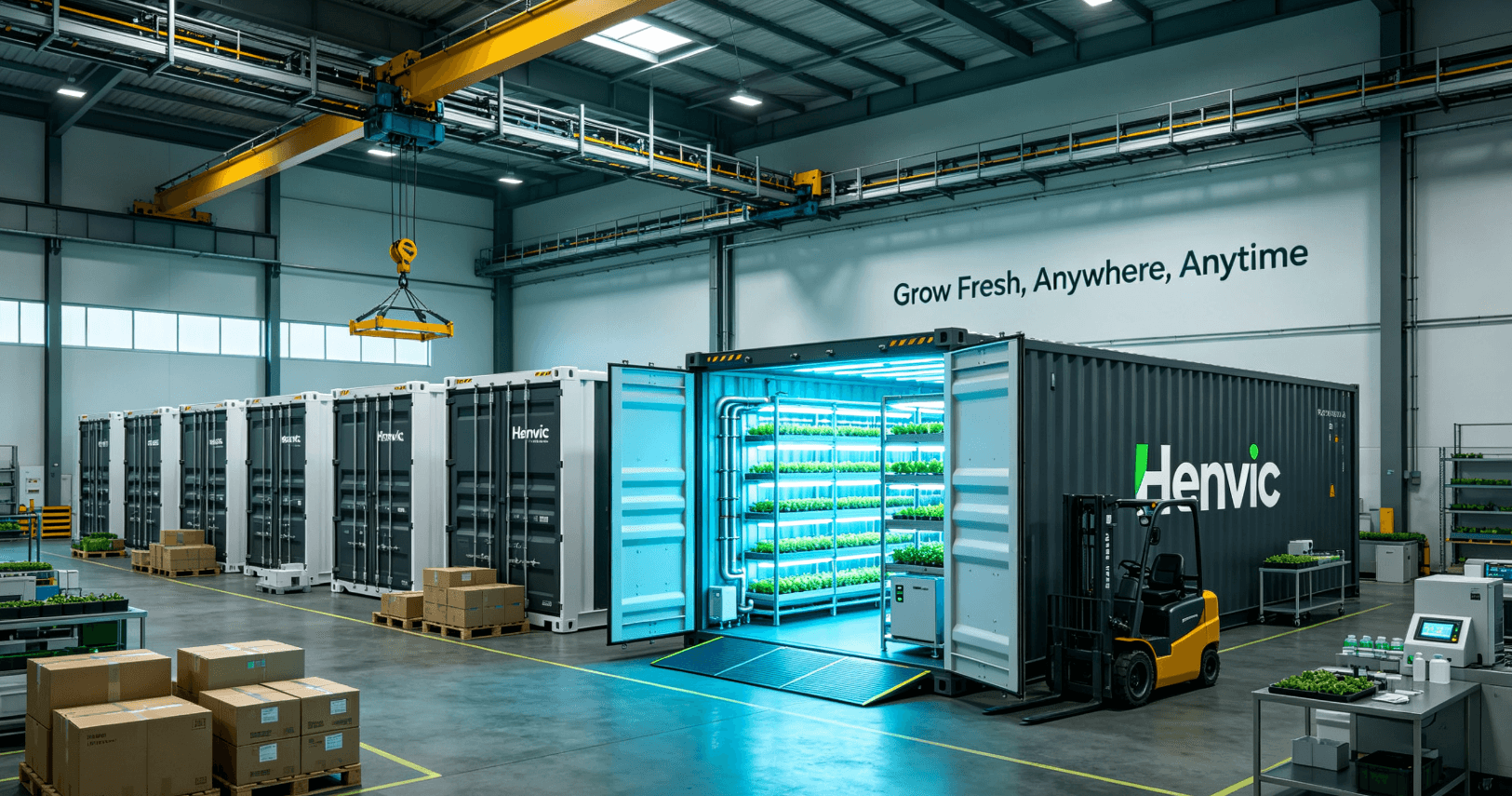
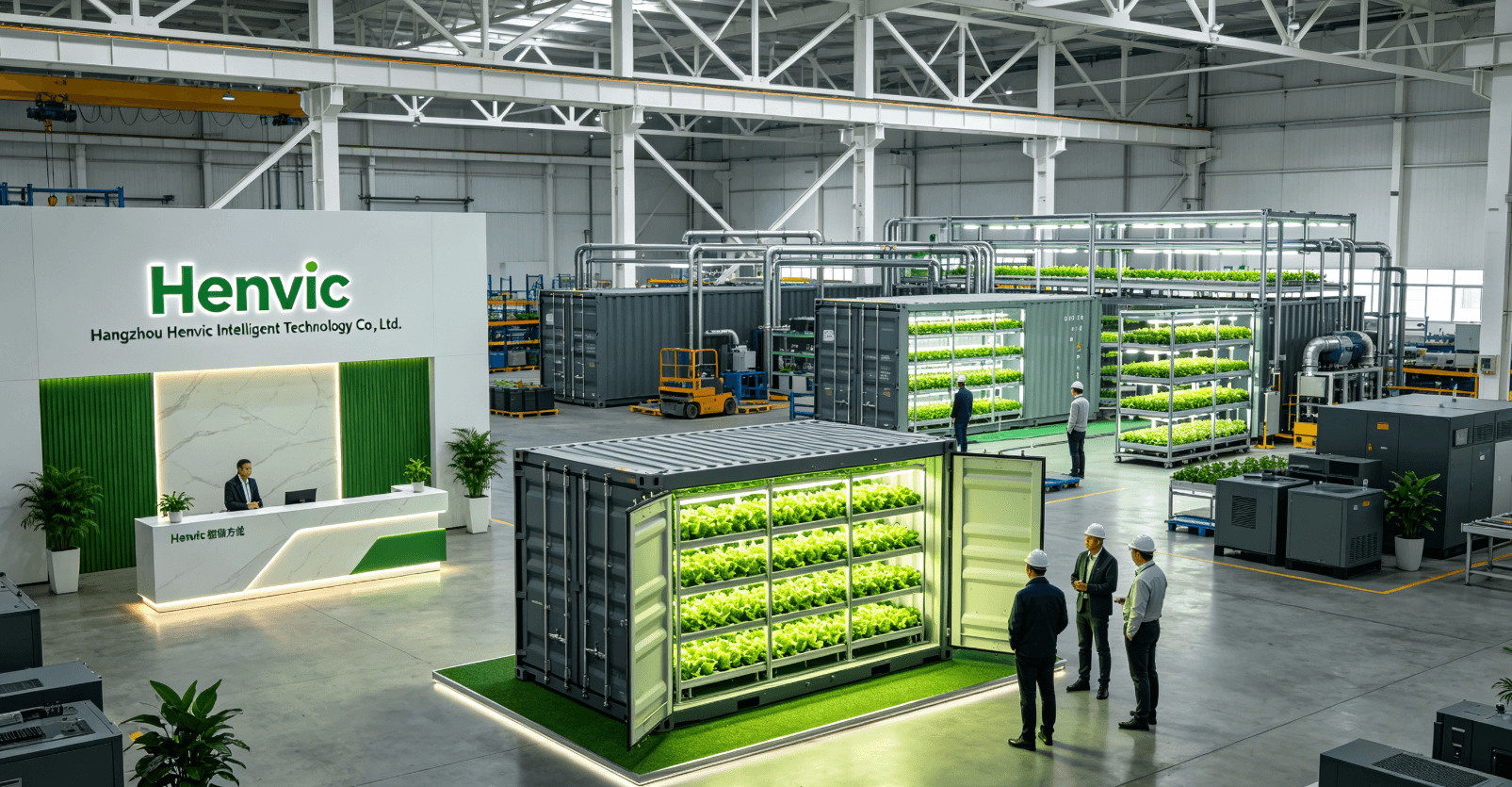
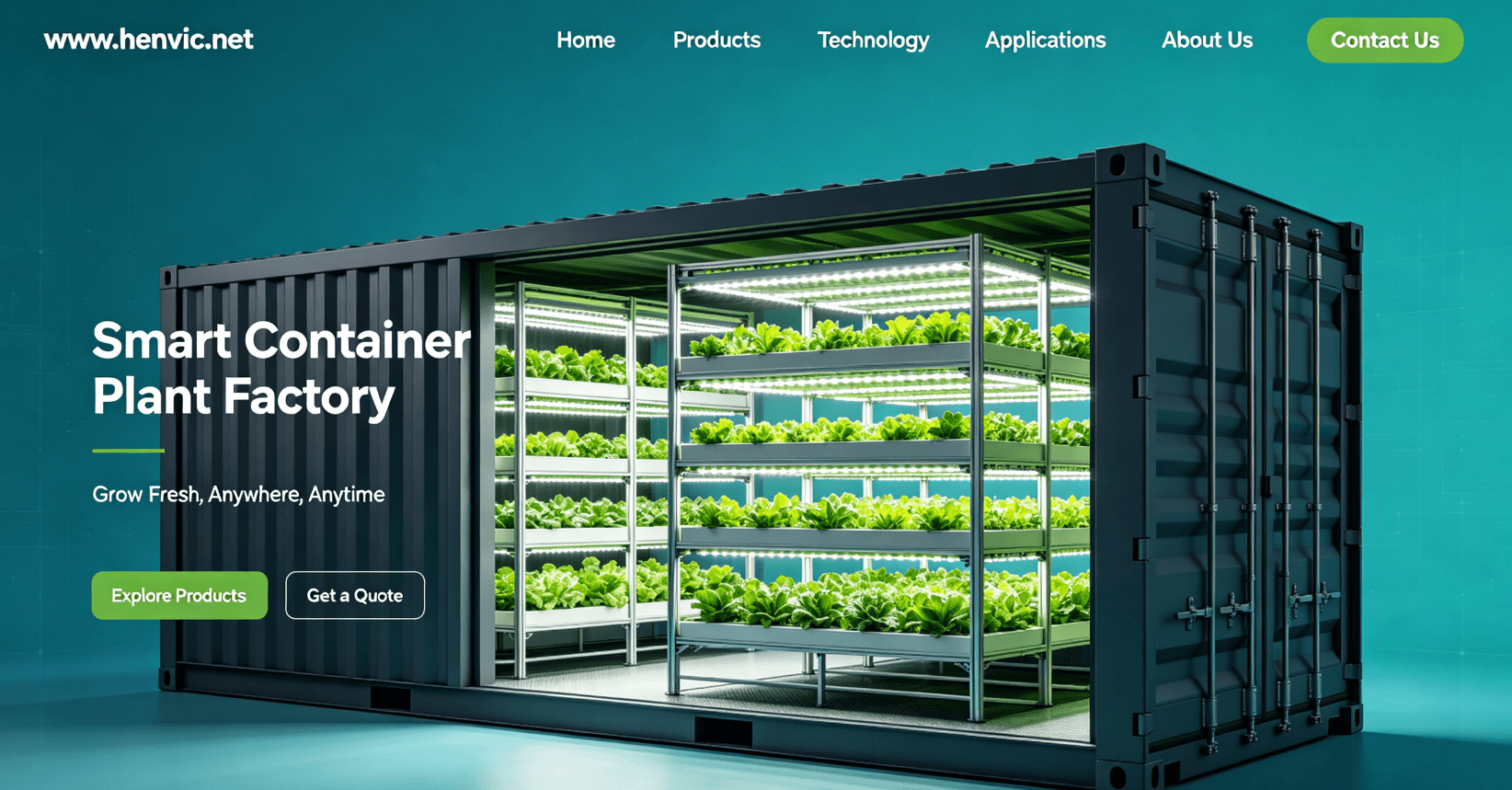
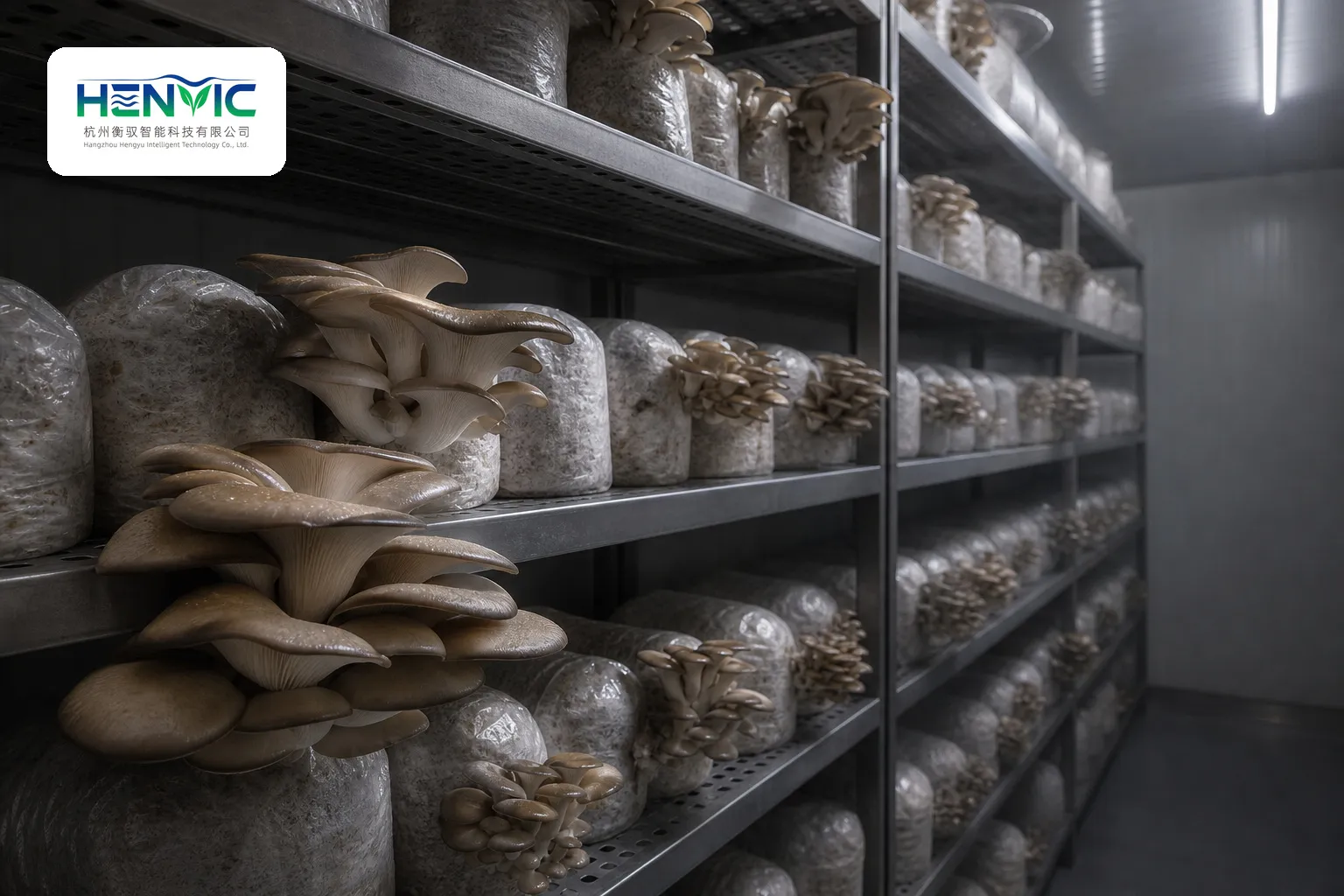
As global demand for high-quality, safe, and sustainable food escalates, traditional outdoor mushroom farming is increasingly grappling with climate change, land constraints, and pest issues. To overcome these challenges, the mushroom cultivation container—a modular greenhouse or an entirely controlled environmental chamber—has gained significant traction. By integrating advanced Internet of Things (IoT) technology, LED lighting, and precision climate control, these containers enable year-round, pesticide-free fungal production.
This article examines several prominent international cases of mushroom cultivation containers, analyzing how different regions adapt this technology to maximize yield, reduce environmental impact, and meet local market demands.
1. Myco Mechatronics in the Netherlands: High-Tech Contamination-Free Fungal Cultivation
The Netherlands is globally recognized as a pioneer in agricultural technology, and its application of mushroom cultivation containers perfectly reflects a dedication to precision and environmental control.
The systems developed by Myco Mechatronics illustrate the epitome of automated mushroom farming. Designed primarily for high-value species like oyster mushrooms, Shiitake, and Lion's Mane, these containers utilize advanced airflow and climate-control mechanisms. Instead of relying on natural soil, the substrates are placed in highly controlled, climate-regulated chambers.
The technology enables precise regulation of temperature, humidity, and CO₂ levels. By maintaining a consistent internal environment, growers can accelerate the lifecycle of the mycelium and maximize the yield of fruiting bodies. This automated container method effectively eliminates the risks of fungal diseases and pest infestations. These containers allow growers to achieve a consistent, year-round production cycle, far exceeding the yields of conventional outdoor farms. As a result, the mushrooms produced are not only exceptionally high in quality and ecologically clean but also possess a longer shelf life.
2. Symterra’s SolarGreen in Singapore: Floating Mushroom Cultivation Containers
With limited agricultural land, Singapore has emerged as a global hub for high-tech vertical farming. Symterra’s SolarGreen project demonstrates how mushroom cultivation containers can be innovatively structured to maximize space while drastically reducing energy consumption.
SolarGreen utilizes solar-powered containers to cultivate truffles and gourmet mushrooms. A standout feature of this design is its "floating" structure, placing the cultivation containers above fish ponds. The integration of aquaculture and fungi cultivation creates a synergistic, zero-waste ecosystem.
The containers themselves are designed with spectral filters that allow natural sunlight to enter while blocking harmful infrared and ultraviolet light. This maintains an ideal indoor climate for mushroom growth without the massive electricity costs associated with artificial lighting. By combining container-based farming with aquaculture, this Singaporean model drastically curtails energy consumption and demonstrates how space-limited regions can achieve self-sufficiency in gourmet food production.
3. Gotham Greens in the United States: Integrating Mushroom Cultivation into Urban Rooftops
While Gotham Greens is widely known for its leafy greens, its approach to integrating mushroom cultivation within urban containerized greenhouses represents a prime example of "urban farming" in the United States.
Located in densely populated cities like New York City and Chicago, Gotham Greens converts warehouse rooftops into highly efficient containerized plant factories. For mushrooms, which require specific humidity and darkness, they utilize specialized, tightly sealed climate chambers housed within the larger greenhouse or container setups.
Through advanced IoT systems, cultivators precisely control the growth cycles. The integration allows for a highly transparent supply chain; these facilities supply freshly harvested mushrooms directly to local supermarkets, high-end restaurants, and schools. This localized model drastically cuts down the carbon footprint associated with food miles. The success of Gotham Greens proves that mushroom cultivation containers can be seamlessly integrated into existing urban infrastructures, providing a reliable source of highly nutritious and safe food in dense metropolitan areas.
4. Advanced Agri-Tech Solutions in Japan: Smart Farming for Medicinal Mushrooms
Japan has a long-standing culture of mushroom cultivation, particularly for medicinal and culinary varieties like Reishi, Maitake, and Shimeji. Agri-tech companies in Japan have modernized this tradition by deploying smart cultivation containers designed specifically for premium agricultural products.
In Japanese facilities, advanced sensors monitor the ambient conditions in real-time. Every detail—from humidity and temperature to light intensity—is meticulously auto-calibrated. Many Japanese container designs focus on the visual appearance and texture of the mushrooms, leveraging programmable lighting to influence the size, shape, and color of the fruiting bodies.
By creating a sterile, fully controlled environment, Japanese cultivators can entirely remove the reliance on chemical pesticides, preventing contamination and ensuring the medicinal properties of the mushrooms remain intact. These smart containers enable Japanese growers to command a premium price for their sophisticated, high-quality yield.
Conclusion
The evolution of mushroom cultivation containers reflects a global shift towards sustainable, high-tech agriculture. From the precision automation of the Netherlands, the energy-efficient integration of Singapore, the urban synergy of the United States, to the micro-environmental management of Japan, these cases demonstrate that controlled-environment agriculture is highly adaptable.
While the specific designs and crop focuses vary, the unified goal is clear: to break free from geographical and seasonal constraints. As technology continues to advance, these innovative cultivation containers will likely become a standard model, enhancing global food security while treading lightly on the planet.